Abstract
Most New Year's resolutions fail, not from lack of desire, but from flawed implementation strategies. This article examines the psychology of behavioral change and habit formation for physicians, applying the "fresh start effect," approach vs. avoidance goal research, self-compassion-based behavior change, and BJ Fogg's Tiny Habits framework to the specific challenge of sustainable personal improvement. The authors argue that physicians consistently show up for patients, coworkers, and friends, but routinely fail to extend the same reliability to themselves. Four evidence-informed principles for lasting behavior change are presented: replacing shame with curiosity, choosing approach over avoidance goals, keeping only promises you intend to keep, and starting with the smallest possible habit while celebrating every victory.
Key Findings:
- ● The "fresh start effect", the documented increase in motivation to change behavior following salient temporal milestones like New Year's Day, is a real and psychologically measurable phenomenon (Psychol Sci, 2015); the challenge is translating that motivation into lasting habit through effective strategy rather than sheer willpower.
- ● Shame-based motivation does not produce lasting behavioral change; it generates negative emotions that trigger the very numbing behaviors people are trying to change, approaching unwanted habits with curiosity and self-compassion is more effective and sustainable.
- ● Approach goals (working toward a positive outcome) consistently outperform avoidance goals (trying to escape an unwanted state), people with avoidance goals procrastinate more and are less successful at achieving them.
- ● Integrity with oneself, keeping promises made to yourself at the same rate as promises made to patients, colleagues, and friends, is a foundational prerequisite for sustained personal change; only commit to what you are at least 80% sure you can keep.
- ● BJ Fogg's Tiny Habits framework demonstrates that effective, lasting habit formation requires making the behavior as small as possible, anchoring it to an existing routine, and celebrating every successful completion, celebration creates the neurological reward that makes habits stick.
Approach Goals vs. Avoidance Goals: Which Actually Work
⚠ AVOIDANCE GOAL
Moving away from something unwanted
Framed around escaping a negative state, more likely to produce procrastination, anxiety, and failure.
e.g. "Stop eating junk food after shifts"
✓ APPROACH GOAL
Moving toward something desired
Framed around gaining a positive outcome, more motivating, more likely to be sustained long-term.
e.g. "Cook one healthy meal after each shift"
Four principles for lasting behavior change in physicians
- 🔍 Replace shame with curiosity
Shame-based self-talk generates the same negative emotions that drive numbing behaviors. Instead: get curious. What emotion are you avoiding? What need isn't being met? Curiosity opens doors that judgment slams shut.
- 🎯 Choose approach goals, not avoidance goals
Frame your goal around what you're moving toward, not what you're running from. People with approach goals procrastinate less and succeed more often, the direction of your framing changes your likelihood of success.
- 🤝 Only promise what you'll keep; build self-integrity
Show up for yourself the way you show up for patients and colleagues. Only commit to what you are at least 80% sure you'll do. Every kept promise builds self-trust; every broken one erodes it.
- 🌱 Start tiny, then celebrate every win
Two pushups. Ten calf raises. One page. The size of the habit matters less than the consistency of it. Commit to something so small you almost can't fail, then celebrate every single completion. The celebration is the mechanism of change.
"We would not make a lunch date with a friend and not show up. We would not offer to go to the gym with someone and then decide we are too tired. We would not do these things to other people we care about, so why do we do them to ourselves? Show up for yourself like you do for your patients."
Publication details:
JOURNAL
Emergency Medicine News
VOLUME / ISSUE
Vol. 45, No. 2C
PUBLISHED
February 28, 2023
AUTHORS
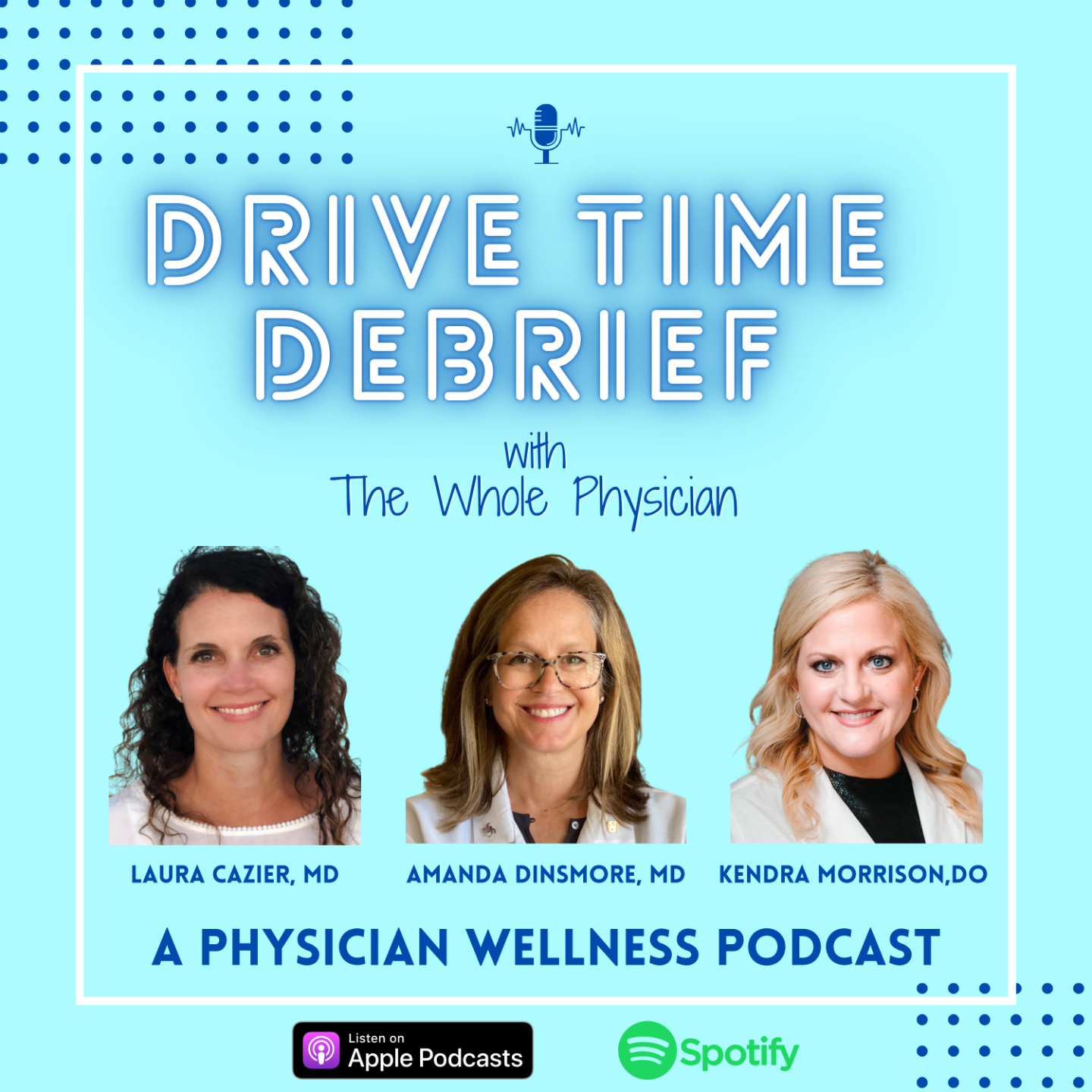
Laura Cazier, MD; Amanda Dinsmore, MD; Kendra Morrison, DO
DOI
10.1097/01.EEM.0000921020.44806.f9
PUBLISHER
Wolters Kluwer Health / LWW