Abstract
Emergency physicians often begin their shifts already demoralized, not by anything that has yet happened, but by unmet expectations: a slow colleague they'll have to work with, an administration that should visit the ED but doesn't, patients who should be more respectful. This article examines the psychology of "the shoulds", the hidden expectations physicians hold for how others ought to behave, and how these unspoken rules generate a predictable cascade of discontent, frustration, and anger before a shift even begins. Drawing on the cognitive thought model and Stoic philosophy, the authors demonstrate that other people's behavior has no emotional effect until physicians choose a thought about it, and that choosing different thoughts is not rationalization but genuine emotional recalibration with measurably different neurochemical outcomes. Practical reframes for common ED triggers are provided.
Key Findings:
- ● Physicians frequently experience negative emotional states, dread, frustration, resentment, before a shift begins, driven by unmet expectations for colleagues, patients, administration, and spouses; this "pre-shift suffering" is generated entirely by thoughts, not by events that have yet occurred.
- ● Unmet expectations ("shoulds") are held silently, others are typically unaware of the expectation manual physicians carry, making them both psychologically costly and practically ineffective: they drain energy without changing the behavior they're directed at.
- ● Other people's behavior has no direct emotional effect on the physician until a thought is chosen about it; the same circumstance, a car cutting someone off, produces anger or compassion depending entirely on the thought that follows, not the event itself.
- ● Choosing different thoughts about others' behavior is not excusing that behavior, adults are free to behave as they choose, but it is the only lever the physician actually controls, and it produces a measurably different neurochemical response that changes the entire experience of a shift.
- ● As Epictetus articulated: no one can steal your peace of mind unless you allow it, the Stoic insight that emotional sovereignty begins with recognizing that external circumstances are filtered entirely through internally chosen thoughts.
Common Physician "Shoulds" and What They Actually Cost
- ⚡ Colleagues should be team players - costs: resentment, pre-shift dread, energy drain, impaired team dynamics
- ⚡ Patients should be respectful and grateful - costs: depersonalization, cynicism, compassion fatigue
- ⚡ Administration should visit and care about the ED - costs: chronic frustration, disengagement, moral injury
- ⚡ Partners should know what we want without being told - costs: unspoken resentment, relationship erosion, emotional distance
"Other people's behavior has no emotional effect on us until we think about it and give it meaning. We get to decide how to feel and it all begins with what we choose to think. All the power to be happy lies within us."
Publication details:
JOURNAL
Emergency Medicine News
VOLUME / ISSUE
Vol. 44, No. 6, p. 28
PUBLISHED
June 2022
AUTHORS
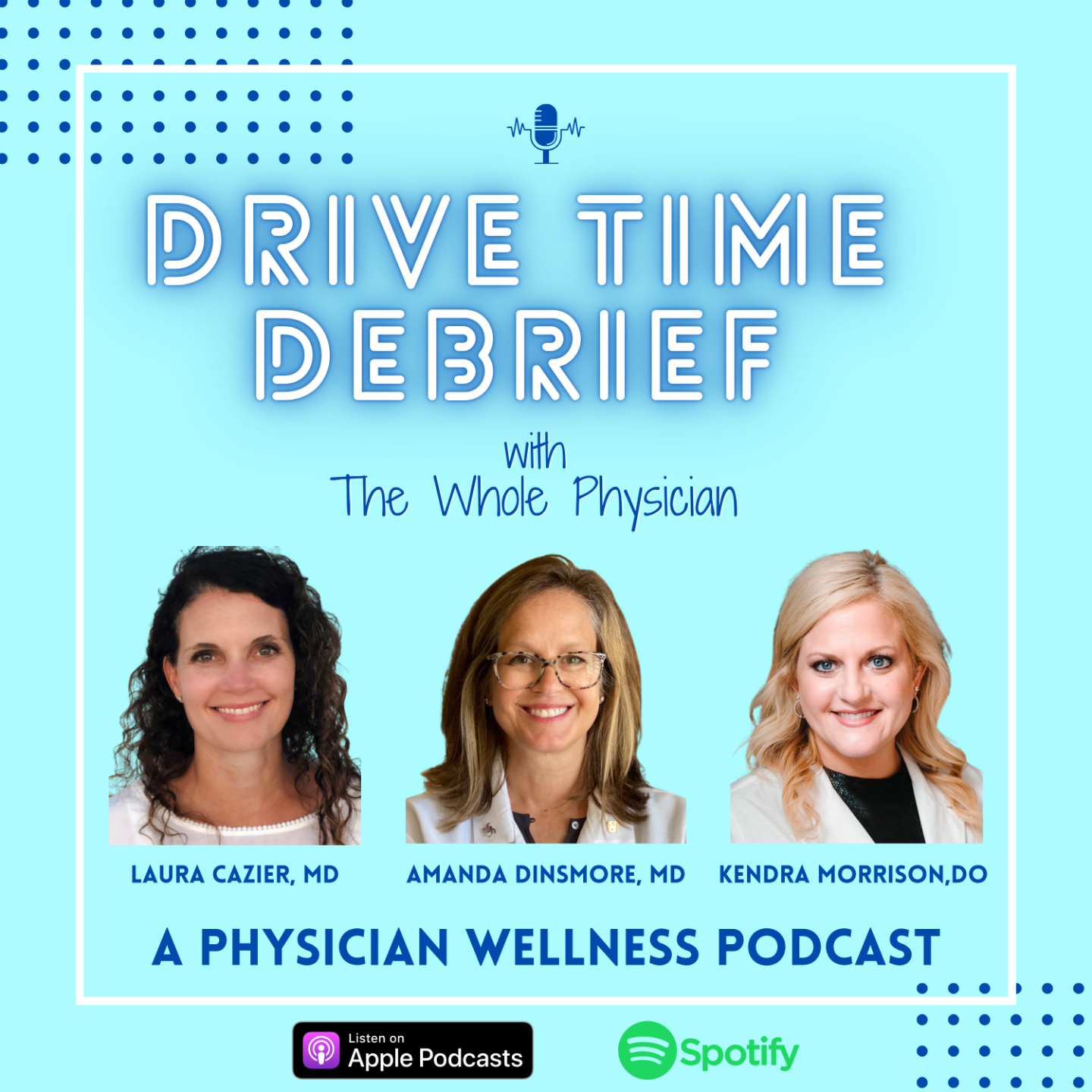
Laura Cazier, MD; Amanda Dinsmore, MD; Kendra Morrison, DO
DOI
10.1097/01.EEM.0000834168.03891.c5
PUBLISHER
Wolters Kluwer Health / LWW