Abstract
Emergency physicians joke about PTSD. But the data suggest those jokes are closer to clinical reality than most physicians acknowledge. A Saint Louis University study found a PTSD point prevalence of 15.8% among emergency physicians, and the specialty-wide trauma exposure suggests the true rate is higher and rising. This article examines the documented risks of PTSD and secondary traumatic stress (STS) in emergency medicine, identifies the warning signs that distinguish professional adaptation from clinical deterioration, and presents a dual framework of protective wellness behaviors and mindset-shifting thoughts. The central argument: emergency physicians cannot sustain the care of others without sustaining themselves, and normalizing the sarcasm, cynicism, and irritability of chronic trauma exposure as "just the job" delays the self-care that would keep physicians practicing safely and humanely.
Key Findings:
- ● The point prevalence of PTSD among emergency physicians is 15.8% with prior personal trauma history the only independent risk factor for screening positive; the true prevalence is likely higher than 2019 data reflect (West J Emerg Med, 2019).
- ● Secondary traumatic stress (STS), being negatively affected by witnessing or hearing about others' trauma, is now a DSM-5 Criterion A stressor; emergency physicians who care empathetically for trauma victims are by definition at elevated risk for STS, with empathy level directly correlated with vulnerability (Cogn Behav Ther, 2017).
- ● The cynicism, irritability, and dark humor that emergency physicians accept as normal occupational personality are recognized warning signs of secondary traumatic stress and chronic trauma exposure, not character traits, but acquired protective mechanisms covering genuine psychological injury.
- ● Emergency physicians act as the hospital's filter for its most severe trauma, coding pediatric patients, managing mass casualty events, witnessing the consequences of addiction, poverty, and violence daily, making them uniquely high-risk in ways other specialties do not encounter at the same frequency or severity.
- ● Recovery from STS requires a combination of reducing clinical exposure, intensifying wellness behaviors, finding safe therapeutic or coaching relationships, and actively replacing trauma-conditioned cognitive patterns with mindset-shifting self-talk.
Warning signs of STS and PTSD in emergency physicians
- 😤 Persistent cynicism or irritability.
- 😴 Fatigue beyond normal shift recovery.
- 🤒 Increased frequency of physical illness
- 📉 Reduced clinical productivity
- 😔 Persistent hopelessness or sadness
- 🔁 Re-experiencing or intrusive thoughts
- 😱 Nightmares or disrupted sleep
- 🚪 Avoiding people, patients, or activities
- 😡 Persistent anger
- 🍷 Substance use to buffer negative feelings
"Society needs us, and it needs us to stay well. An EP's crusty personality often belies all the trauma she has experienced, it is a scab covering raw injuries to her soul. Our old selves are still in there. We have to put on our own oxygen masks first."
Publication details:
JOURNAL
Emergency Medicine News
VOLUME / ISSUE
Vol. 44, No. 8, p. 31
PUBLISHED
August 2022
AUTHORS
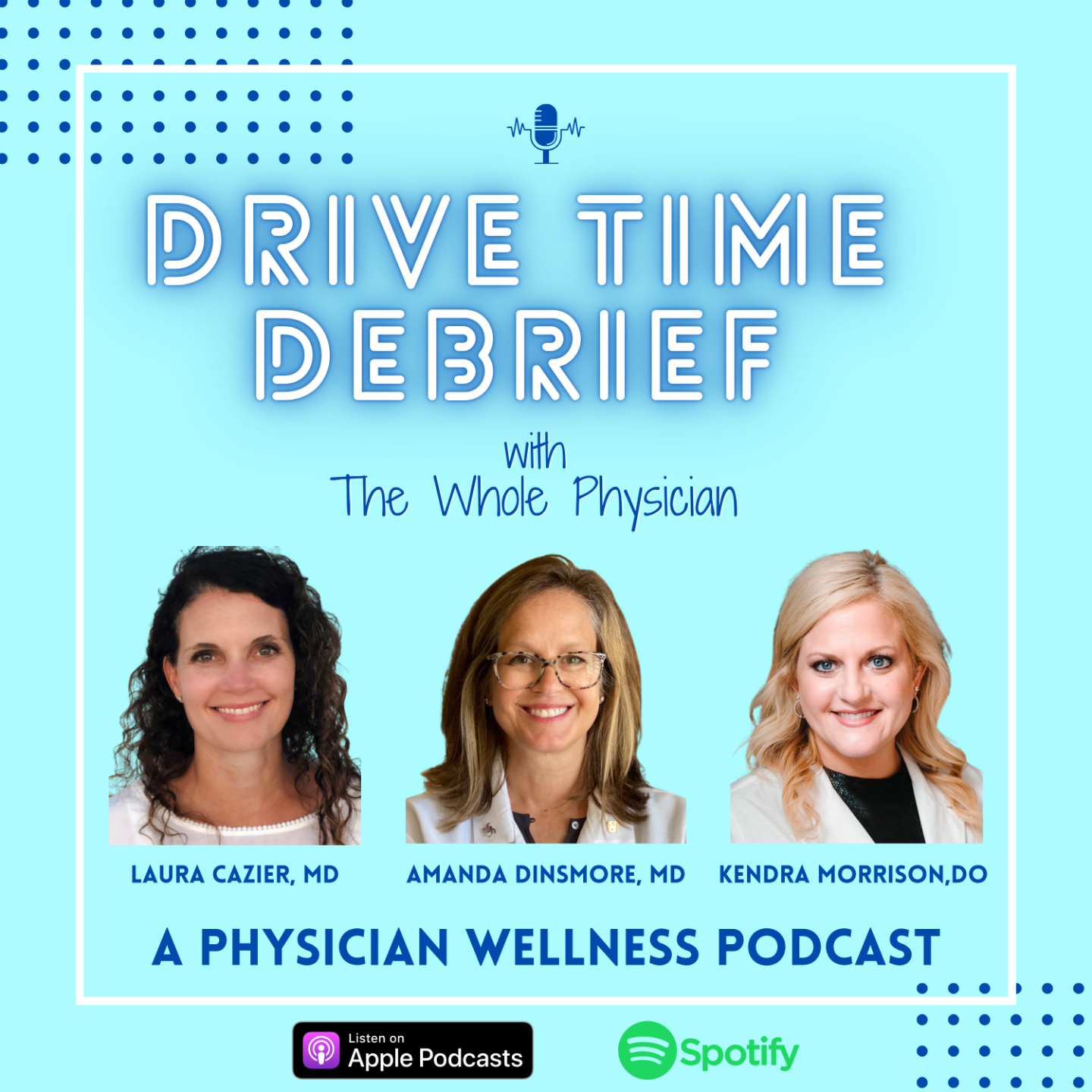
Laura Cazier, MD; Amanda Dinsmore, MD; Kendra Morrison, DO
DOI
10.1097/01.EEM.0000855868.58699.5a
PUBLISHER
Wolters Kluwer Health / LWW