Abstract
Social connection is not a lifestyle preference, it is a clinical health determinant comparable in effect to smoking cessation and obesity treatment. This article presents three converging bodies of evidence for the protective power of community: the remarkable longevity of Roseto, PA (a mid-20th century community where social solidarity nearly eliminated heart disease despite objectively unhealthy diets and habits), Bruce Alexander's Rat Park experiments (demonstrating that isolation, not pharmacology, drives addictive behavior), and Julianne Holt-Lunstad's landmark testimony that loneliness doubles mortality risk and exceeds the health impact of smoking 15 cigarettes per day. The authors argue that emergency physicians — who routinely screen for smoking and document BMI, should apply the same rigor to assessing and protecting their own social connectedness, and offer four reflective questions to begin that process immediately.
Key Findings:
- ● The Roseto Effect, documented over 50 years of research, demonstrates that social solidarity is independently health-protective: Roseto residents had near-zero rates of heart disease despite high-fat diets, heavy smoking, little exercise, and obesity, with the protective effect disappearing within one generation of decreased social cohesion.
- ● Bruce Alexander's Rat Park experiments revealed that addiction is driven primarily by isolation, not pharmacology: socially connected rats with access to drug-laced water chose plain water and did not overdose, upending the prevailing model of addiction as purely substance-driven.
- ● Loneliness doubles mortality risk for women and nearly doubles it for men, independent of age, education, comorbidities, BMI, smoking, and alcohol intake, making social isolation a quantifiable, independent cardiac and mortality risk factor (EuroHeartCare 2018).
- ● Holt-Lunstad's U.S. Senate testimony (2017) established that the health impact of social connection on mortality risk exceeds that of smoking up to 15 cigarettes per day, obesity, and air pollution, yet it is rarely screened for in clinical practice or protected in physicians' own lives.
- ● Emergency physicians, already high-risk for isolation due to shift work, schedule irregularity, and occupational stress, should treat social connection as a clinical priority for their own well-being with the same intentionality they bring to other health behaviors.
The Roseto Effect: community practices that protected a town's health
Roseto, PA showed near-zero heart disease for decades, not from diet or genetics, but from social solidarity. When younger generations moved away and cohesion declined, heart disease rates normalized within one generation.
- 🏠 Frequent informal visits between neighbors
- 🍝 Cooking for and feeding one another regularly
- ⛪ Shared religious practice and community ritual
- 👨👩👧👦 Multi-generational households; close-knit families
- 🤝 Community care with little reliance on welfare
- ⚖️ Similar living conditions regardless of wealth
- 🏘️ Physically close housing; easy daily contact
- 💛 Community valued over materialism
Loneliness As A Risk Factor vs. What Connection Protects Against
⚠ LONELINESS (Documented Risks)
A measurable, independent health threat
- ● Doubles mortality risk for women
- ● Nearly doubles mortality risk for men
- ● Independent of age, BMI, smoking, comorbidities
- ● Exceeds smoking 15 cigarettes/day in mortality impact
- ● Associated with addiction, depression, cardiac disease
✓ SOCIAL CONNECTION (What it protects)
Comparable to major clinical interventions
- ● Reduces cardiovascular mortality risk significantly
- ● Protective against addictive behavior (Rat Park)
- ● Associated with longevity even with unhealthy habits
- ● Exceeds effect size of obesity treatment in some studies
- ● Sustains meaning, motivation, and emotional regulation
Four questions to assess your own social connectedness today
- 1) Who do I genuinely care about in my life?
- 2) Who cares about me and knows me authentically?
- 3) When was the last time I spent real time with people who know and accept me?
- 4) Who can I call or make plans to see in the next few days?
"The magnitude of the effect of social connection on mortality risk exceeds that of other well-accepted risk factors, including smoking up to 15 cigarettes per day, obesity, and air pollution. It's time to be intentional about nurturing and being nurtured by your favorite people."
Publication details:
JOURNAL
Emergency Medicine News
VOLUME / ISSUE
Vol. 44, No. 12A
PUBLISHED
December 13, 2022
AUTHORS
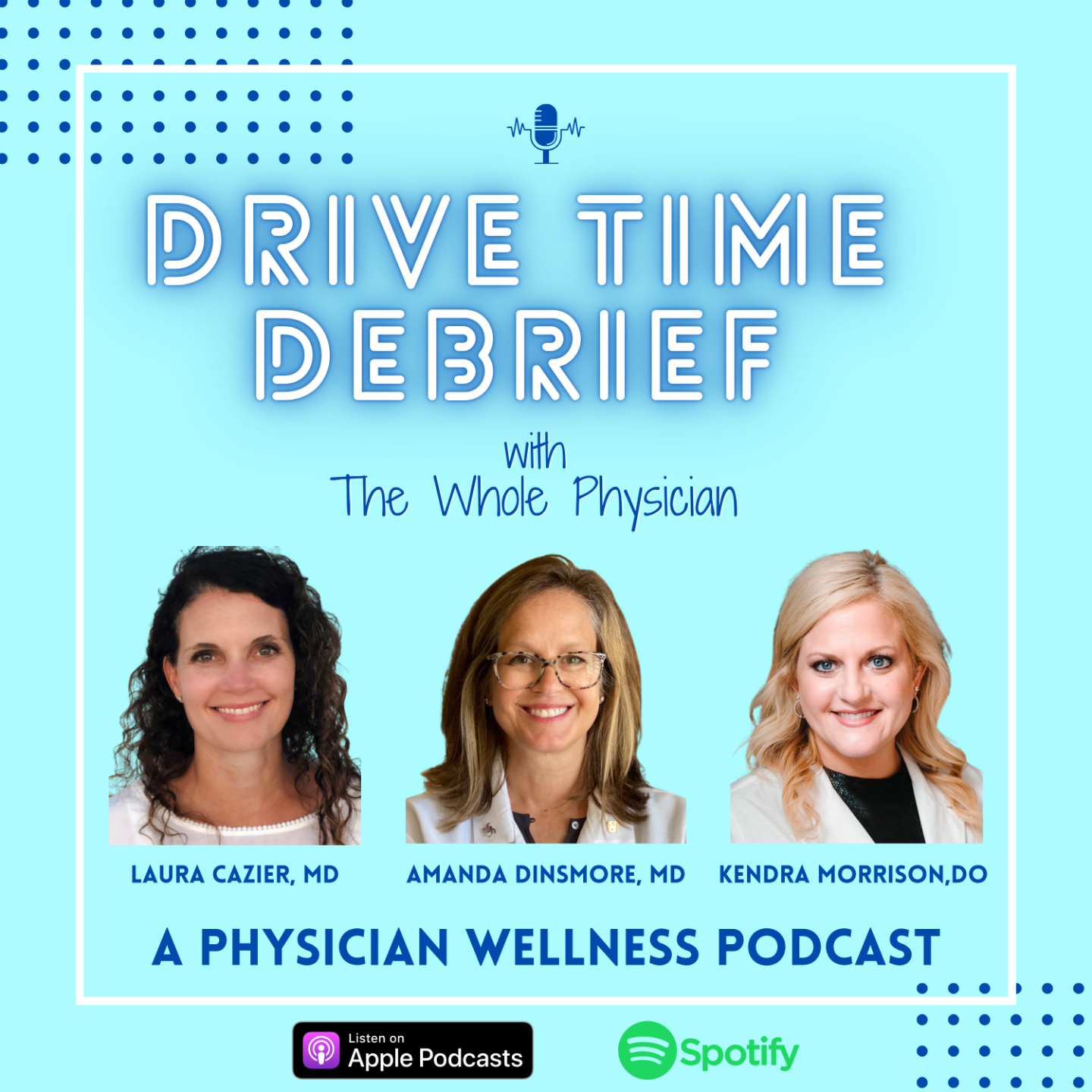
Amanda Dinsmore, MD; Kendra Morrison, DO; Laura Cazier, MD
DOI
10.1097/01.EEM.0000905576.83844.37
PUBLISHER
Wolters Kluwer Health / LWW