Abstract
Emergency physicians are high achievers in a culture that consistently ties worth to productivity, RVUs, Press Ganey scores, and willingness to say yes. But human worth is not earned, it is inherent, and no achievement or failure alters it. This article distinguishes between inherent worth and self-esteem (which is changeable and affected by external circumstances), examines how "conditions of worth" develop from childhood through medical training, and offers four evidence-informed practices for cultivating unconditional self-worth. Drawing on the APA's definition of conditional worth, Caroline Leaf's cognitive neuroscience research, Brené Brown's belonging framework, and Adia Gooden's clinical psychology work, the authors make the case that physicians who understand and live from inherent worth are better equipped to practice sustainably, forgive themselves after adverse outcomes, and genuinely connect with the patients and people they serve.
Key Findings:
- ● Human worth is inherent and unconditional, not earned through achievement, productivity, RVUs, social media metrics, or professional status. The newborn infant analogy illustrates this: every baby in the nursery is equally worthy before doing anything useful, and that inherent worth does not diminish with age or failure.
- ● "Conditions of worth", the APA-defined state in which an individual believes love and respect are conditional on meeting others' approval, develop in childhood and are actively reinforced by medical training, creating physicians who unconsciously measure their value through performance rather than being.
- ● Worth and self-esteem are distinct: self-esteem is changeable, influenced by accomplishments and external feedback, and is affected by social media, career setbacks, and professional recognition; inherent worth is fixed, unconditional, and independent of any external measure.
- ● Discovering unconditional worthiness is neurologically transformative: it changes thoughts, feelings, and emotions from the inside out, allowing physicians to experience successes as inherent and failures as opportunities rather than as evidence of inadequacy (Leaf, cognitive neuroscience).
- ● Physicians who cultivate inherent worth are better positioned to extend acceptance, forgiveness, and compassion to others, including patients, because the capacity to offer what we have not given ourselves is inherently limited (Brown, belonging research).
Four steps to cultivating inherent worth (Gooden)
- 🕊️ Forgive yourself
Make space for grace from within. Acknowledge what happened, accept it, extract what you learned, and move forward without blame or shame. Past mistakes are data, not verdicts.
- 🤲 Practice self-acceptance
You don't need to change anything to be acceptable right now. Decide to love your quirks and imperfections, not as a reason to stop growing, but as the foundation from which growth is actually possible.
- 💛 Be there for yourself
When difficulty arises, offer yourself the same acknowledgment and comfort you'd offer a colleague. Mistakes are learning opportunities, they do not alter your innate worth as a person or a physician.
- 👥 Connect with encouraging people
Allow people who see your value to speak good things into your life. Isolation reinforces thoughts of unworthiness. You are not alone in your struggles and connection is a reminder of that.
"If we want to fully experience love and belonging, we must believe that we are worthy of love and belonging. There is nothing more empowering than discovering one's unconditional worthiness and allowing that to change one's thoughts, feelings, and emotions, strengthening us from the inside out."
Publication details:
JOURNAL
Emergency Medicine News
VOLUME / ISSUE
Vol. 44, No. 7, p. 24
PUBLISHED
July 2022
AUTHORS
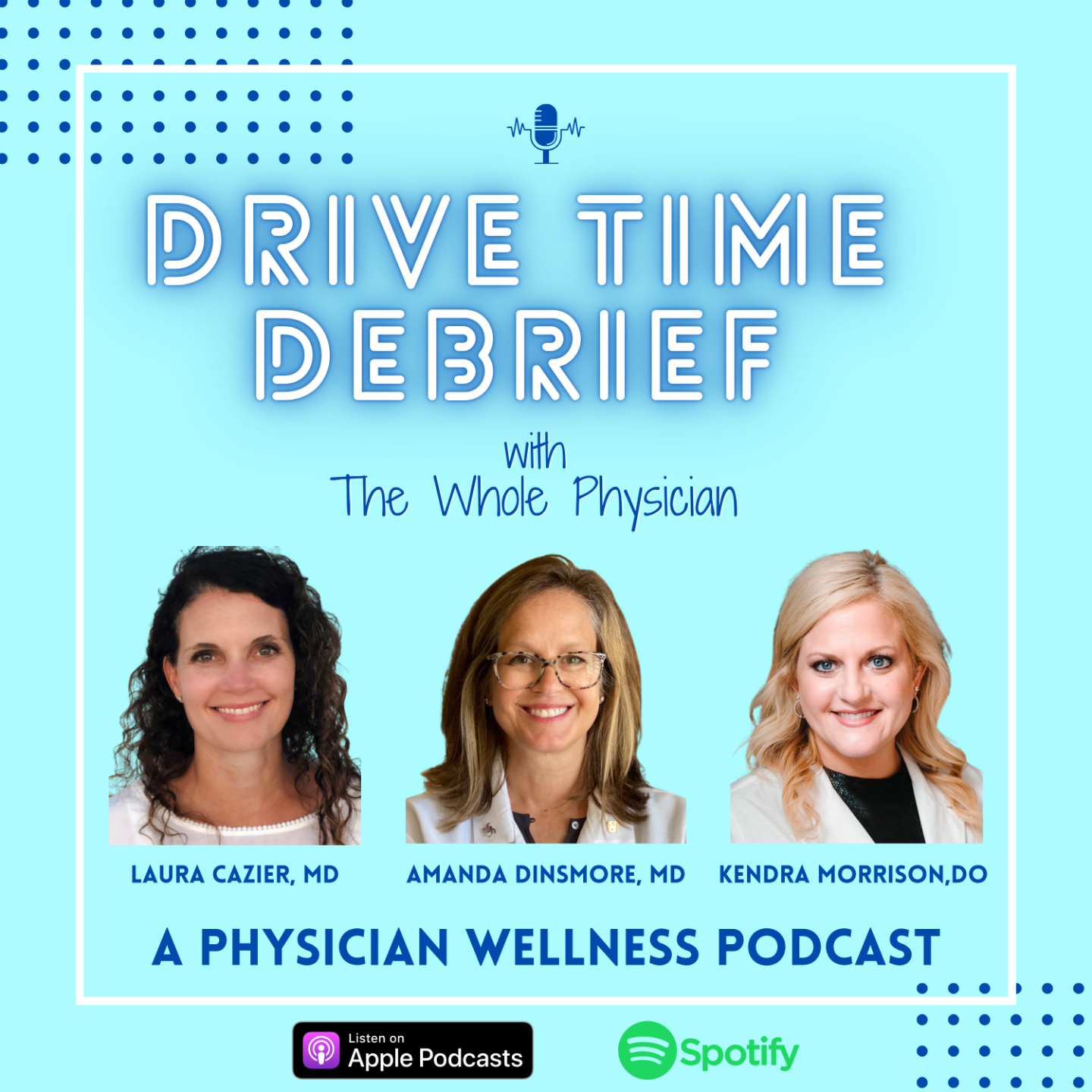
Laura Cazier, MD; Amanda Dinsmore, MD; Kendra Morrison, DO
DOI
10.1097/01.EEM.0000852656.21300.4d
PUBLISHER
Wolters Kluwer Health / LWW