Abstract
Why do physicians bristle at unsolicited advice, even when it's good advice? And why do patients sometimes refuse tests the moment a physician orders them? The answer lies in psychological reactance: the hard-wired human drive to resist perceived threats to personal freedom. This article introduces agency and psychological reactance through the lens of Newton's Third Law of Motion and Self-Determination Theory, applying both concepts to the dynamics of the emergency department, from physician-nurse interactions to physician-patient communication and personal relationships. The authors argue that understanding reactance allows physicians to recognize it in themselves and others, communicate in ways that preserve rather than threaten autonomy, and build the respectful working relationships that sustain morale, safety, and team function.
Key Findings:
- ● Agency, the felt sense of control over one's actions and their consequences, is identified by Self-Determination Theory as a foundational human need; when it is threatened, psychological reactance is the predictable, hard-wired response (Steindl et al., 2015).
- ● Psychological reactance is not stubbornness, it is a motivational arousal triggered by perceived threats to behavioral freedom, and it functions as a drive to restore that freedom; it is present in humans and animals alike.
- ● Physicians who infringe on the agency of nurses, staff, or patients, even unintentionally, reliably generate reactance in return, degrading camaraderie, morale, and compliance; Newton's Third Law applies to human behavior as surely as to physics.
- ● Seligman's learned helplessness research demonstrates the far end of agency deprivation: subjects stripped of control repeatedly lose the ability to recognize or pursue escape even when it becomes available, a warning about chronic disempowerment in medical culture.
- ● Communicating with respect for others' agency, curiosity, patience, and acknowledgment that colleagues choose to be there, consistently produces better outcomes than authority-based demands in the emergency department.
Two Core Concepts: Agency and Reactance
AGENCY
The felt sense of personal freedom and control
The feeling of being the author of your own actions and their consequences. According to Self-Determination Theory, a sense of intact agency is essential to human well-being, its absence predicts disengagement, resentment, and burnout.
PSYCHOLOGCAL REACTANCE
The drive to restore threatened freedom
An unpleasant motivational arousal triggered when freedom feels threatened. It produces the instinct to resist, refuse, or do the opposite, even when the original request was reasonable. It is hard-wired, not a character flaw.
Where reactance shows up in emergency medicine
- 🏥 IN THE DEPARTMENT: PHYSICIAN/NURSE DYNAMICS
Commanding rather than communicating
When physicians use authority to override questions or demand compliance, nurses experience reactance, leading to reduced morale, camaraderie, and willingness to engage. Nurses choose to work in the ED; communicating that you know this changes everything.
- 🧑⚕️ WITH PATIENTS: ORDERED TESTS AND TREATMENT PLANS
Demanding triggers refusal even for good medicine
A patient who demands a test may generate reactance even if that test is clinically indicated. And when physicians demand rather than explain, patients push back. Framing recommendations as choices, while preserving autonomy, dramatically improves cooperation.
- 🏠 IN PERSONAL RELATIONSHIPS: THE "SHOULD" WORD
"Should" is a red flag for agency infringement
Unsolicited advice, particularly framed as what someone "should" do, signals a conscious or unconscious attempt to override personal freedom. If people are distancing from you, examining whether your communication respects their agency is a productive starting place.
Three takeaways for physicians
- 🔍 Recognize reactance in yourself
When you bristle at a patient's request, a consultant's pushback, or a colleague's suggestion, that's reactance. Naming it gives you a moment to choose a response rather than simply react.
- 🤝 Communicate in ways that preserve agency
Curiosity, patience, and acknowledging that colleagues and patients have choices, not obligations, consistently produces better outcomes than commands. Respect generates respect; Newton's Law is reliable.
- 🐕 Don't be the dog on the shock plate
Seligman's learned helplessness research warns of the opposite failure: chronic disempowerment so severe that agency can no longer be recognized or exercised even when it becomes available. You have choices, use them.
"Seasoned EM docs know if we give respect, we get respect. We don't earn respect by saying, 'I give the orders around here.' What we send out will come back to us, just like Newton said."
Publication details:
JOURNAL
Common Sense (AAEM)
VOLUME / ISSUE
Vol. 30, No. 4, pp. 10–11
PUBLISHED
July/August 2023
AUTHORS
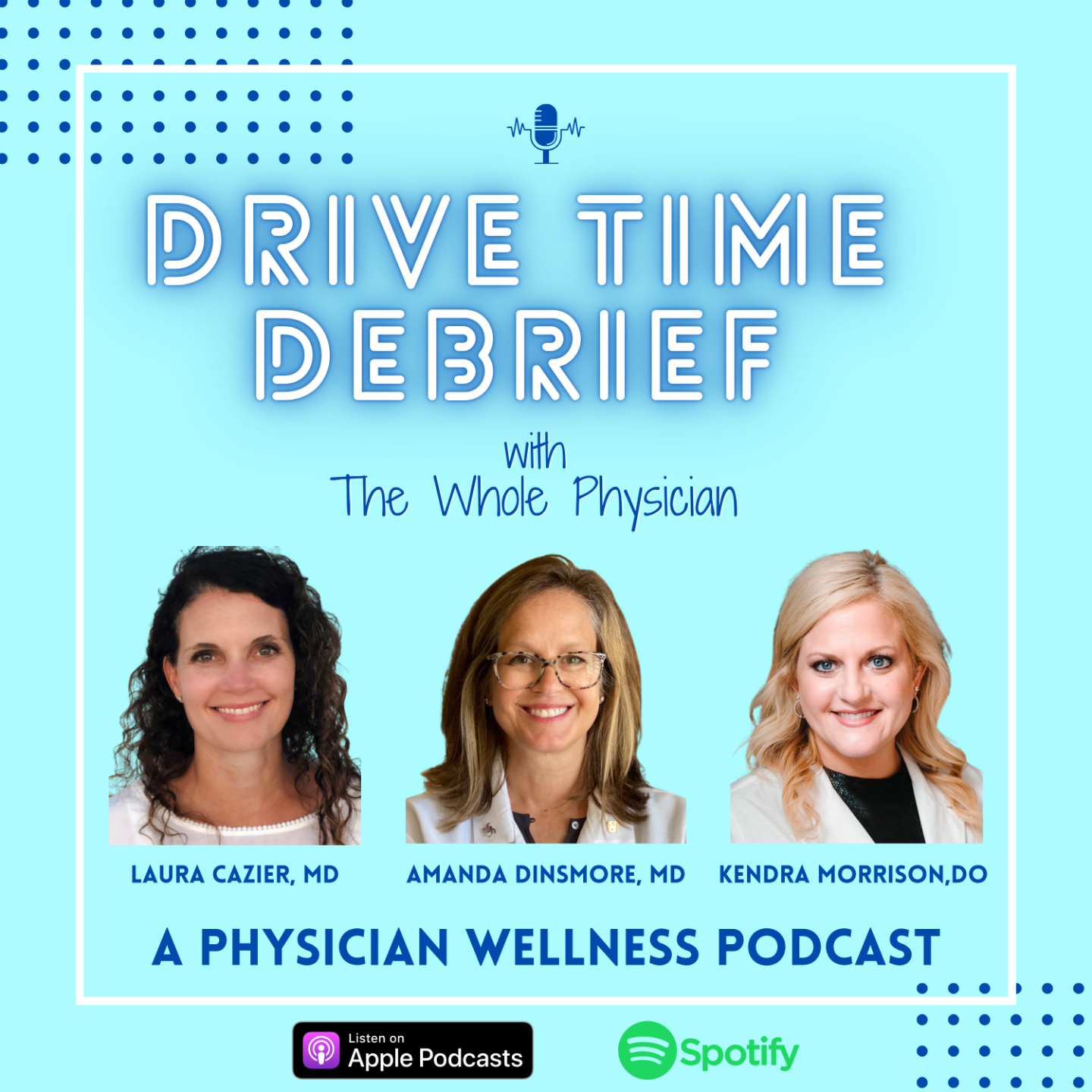
Laura Cazier, MD; Kendra Morrison, DO; Amanda Dinsmore, MD
SERIES
The Whole Physician
PUBLISHER
American Academy of Emergency Medicine (AAEM)