Why You Keep Ending Up Back at "Busy"
Sep 06, 2026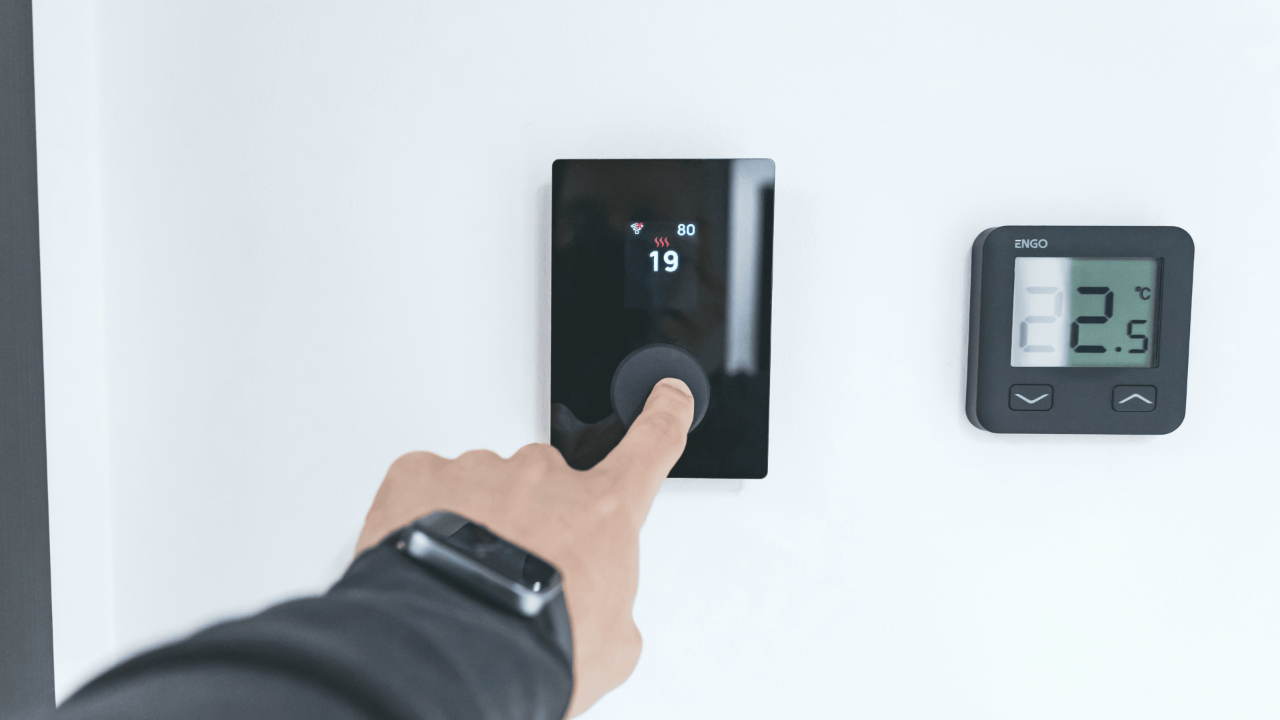
"Why am I always so busy?" For many physicians, it's a question asked with genuine exasperation, and the honest answer is often uncomfortable.
A Pattern Worth Noticing
One physician coach tells a revealing story from her own life. For years she held a huge volunteer leadership role at her children's school while working overnight and weekend shifts. When the kids moved on, she took a similar, lighter role at the next school, right as she added demanding professional training and a major new venture. When she finally stepped away from the volunteer work entirely, she took on yet another large project that continues to occupy her time.
The pattern became hard to ignore. She said she wanted a stretch of days with nothing on her plate. Her behavior said something else.
The Upper Limit Problem
Author Gay Hendricks calls this the Upper Limit Problem, a concept he explores in The Big Leap. It's a popular framework rather than an established clinical theory, but many people find it uncannily accurate. The idea is that everyone has a kind of subconscious thermostat for how much good, ease, or freedom they allow themselves to feel. When something goes above that setting, they find a way to turn it back down, sabotaging themselves toward baseline just as things move in the direction they say they want.
Seeing It in Everyday Life
Most people have watched some version of this, in themselves or others:
- Someone says she wants a calm, supportive relationship, but as soon as things get steady with a kind person, she loses interest or starts picking fights over nothing.
- Someone pays off his medical school loans and, within a month, starts a renovation he can't really afford, because untouched money feels unfamiliar and financial pressure feels like home.
- Someone buys something she feels great in, then downplays a compliment by pointing out it was cheap, though no one asked.
- Someone finally catches up on charts by Thursday, then spends Friday scrolling, so Monday starts behind again.
- Someone says all she wants is a quiet weekend, then fills it with errands, favors, and other people's problems before it arrives.
Habitual Emotions
Tony Robbins has often said something along the lines that the quality of your life is the quality of your habitual emotions. Not the schedule or the bank account, but the feeling a person keeps returning to no matter what changes around them. For some, that default feeling is "chronically busy." For others, it might be behind, stressed, unlucky, or overwhelmed.
How to Interrupt the Pattern
Catch the moment it happens again. The fight that appears from nowhere, the extra shift that didn't need a yes, the renovation that shows up right after the loan is paid off. That's the tell.
Ask what you'd do instead if you believed you were allowed to enjoy the good thing. Then do that, even once.
Expect it to feel uncomfortable at first. That discomfort is often a sign it's working. The goal is to gradually start living like the people who inhabit the emotional "home" you actually want.
One practical version: deliberately block an hour or more of unscheduled time on the calendar each day, and then honor it.
The Bottom Line
If the answer to "why am I always so busy?" keeps pointing back to your own choices, that isn't a character flaw. It may simply be a subconscious thermostat set lower than the life you say you want. Catching the reflex, asking what you'd do if you were allowed to enjoy it, and practicing the unfamiliar choice are small, repeatable ways to start resetting it.
FAQ
What is the Upper Limit Problem? It's a concept from author Gay Hendricks describing an unconscious limit on how much success, ease, or happiness a person allows themselves. When life exceeds that limit, people tend to create problems or busyness that bring them back to their baseline.
Is the Upper Limit Problem a scientific theory? It's a popular self-development framework rather than an established clinical theory, but many people find it a useful lens for understanding repeated self-sabotage patterns.
How is this connected to being chronically busy? If calm or free time feels unfamiliar, it's easy to fill it with commitments without realizing it, which returns life to the familiar baseline of busyness even when someone consciously wants more space.
How do I start changing the pattern? Notice the moment you're recreating the familiar pattern, ask what you would do if you believed you were allowed to enjoy the good thing, and then try that instead, even once. Blocking protected free time on a calendar and honoring it is a practical starting point.
Why does it feel uncomfortable when I try to do things differently? Unfamiliar ease can feel strange, even unsafe, when stress or busyness has been the default. That discomfort doesn't mean the change is wrong. It's often a sign of moving past the old baseline.