What "The Ugly Duckling" Teaches About Self-Worth
Apr 04, 2024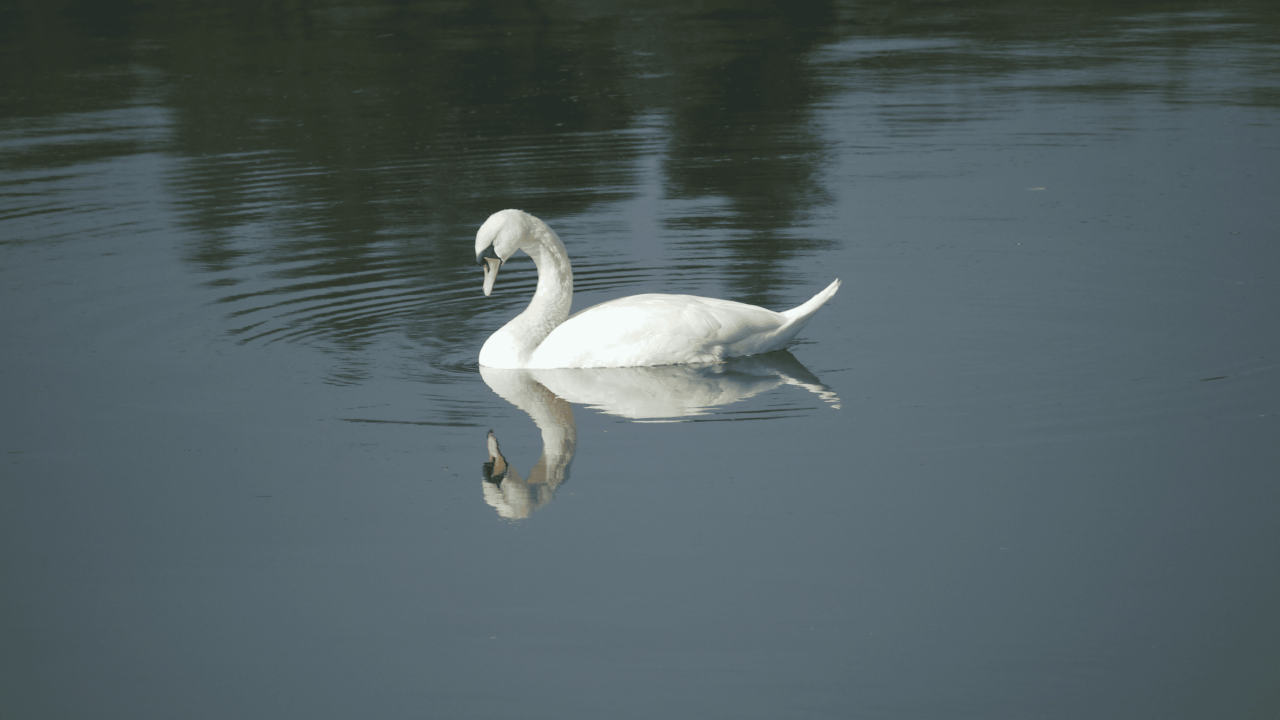
Hans Christian Andersen's 19th-century fairy tale The Ugly Duckling tells the story of a duckling who hatches looking noticeably different from his siblings, larger, grayer, nothing like the small yellow ducklings around him. The other ducklings and barnyard animals mock him for the difference, and he eventually leaves to escape the ongoing harassment. Life outside the barnyard isn't much kinder at first. Then, one day, he encounters a group of swans and is struck by their beauty, half-expecting to be rejected by them too. Looking down at his own reflection in the water, he realizes something no one, including himself, had recognized: he was a swan the entire time. The confusion, all along, belonged to everyone around him, himself included.
Being Measured by the Wrong Standard
The duckling wasn't actually inadequate. He was simply being measured against the wrong standard, evaluated as a duck, when he was never a duck to begin with. This happens constantly in real life, well beyond fairy tales: external comparisons and metrics, professional benchmarks, appearance standards, someone else's idea of what "should" be, get applied to situations they were never actually designed to measure.
External comparison is simply something people and systems do; that's not going away entirely. But applying "duck metrics" to something that was never a duck produces a fundamentally inaccurate read, regardless of how confidently the comparison gets made.
The Cost of Chronic Comparison
Comparing yourself against external standards, someone else's path, someone else's metrics, someone else's idea of what's "supposed" to be, tends to be an unproductive use of time and energy. Everyone is genuinely unique, which means most direct comparisons are measuring the wrong thing from the outset.
There's a useful reframe available here: what if the current version of yourself, exactly as it currently exists, is actually who you're supposed to be right now? The discomfort of being misunderstood by others doesn't necessarily mean something is wrong with you, sometimes, like the ducklings and barnyard animals in the story, other people are simply confused. That's genuinely okay. What's worth addressing directly is any lingering confusion about yourself.
Building a Self-Validation Practice
Rather than relying primarily on external validation, which is inconsistent and often based on the wrong standard entirely, it's worth deliberately building a practice of self-validation. A few starting phrases worth practicing:
- I'm allowed to feel what I feel, without necessarily acting on it.
- I trust my own instincts.
- I'm proud of the effort I put in.
- I am more than my accomplishments or my failures.
- I did my best, and I'm at peace with that.
- I am enough, as I currently am.
- Not everyone likes or understands me, and that's genuinely okay.
- I'm allowed to be human, which means mistakes are part of the process.
- I like specific things about who I am.
- Other people's opinions of me are not my responsibility to manage.
- I like who I am.
A Practical Exercise
One useful exercise: identify something you genuinely wish had been said by a specific person, a spouse, a parent, a boss, instead of whatever was actually said. Then say that exact thing to yourself, repeatedly, several times. Over time, this practice builds the capacity to become your own primary source of support, rather than defaulting to self-criticism in the absence of external affirmation.
The Bottom Line
Being judged against the wrong standard doesn't mean something is actually wrong, sometimes it just means the standard itself doesn't apply. Building genuine self-validation, rather than depending primarily on external approval that may never come, or may be based on an inaccurate measure entirely, offers a more stable, sustainable foundation for self-worth.
FAQ
What's the main lesson from "The Ugly Duckling" applied to self-worth? The duckling wasn't actually inadequate, he was being measured against the wrong standard entirely. The lesson is that feeling like you don't measure up sometimes reflects a mismatched standard, not an actual personal deficiency.
Why is self-validation more sustainable than seeking external validation? External validation is inconsistent, dependent on other people's moods and standards, and sometimes based on comparisons that don't actually apply. Self-validation offers a more stable, internally consistent foundation for self-worth.
How can someone start building a self-validation practice? Practicing specific affirming statements, acknowledging effort, allowing imperfection, recognizing inherent worth, and consistently repeating them, especially in moments of self-criticism, helps build this capacity over time.
Does this mean external feedback should be ignored entirely? No, constructive feedback aimed at genuine improvement is still valuable. The distinction is between using external input to grow versus depending on it entirely for a sense of basic worth and validation.