Why You Pivot at Work But Panic at Home
Aug 01, 2024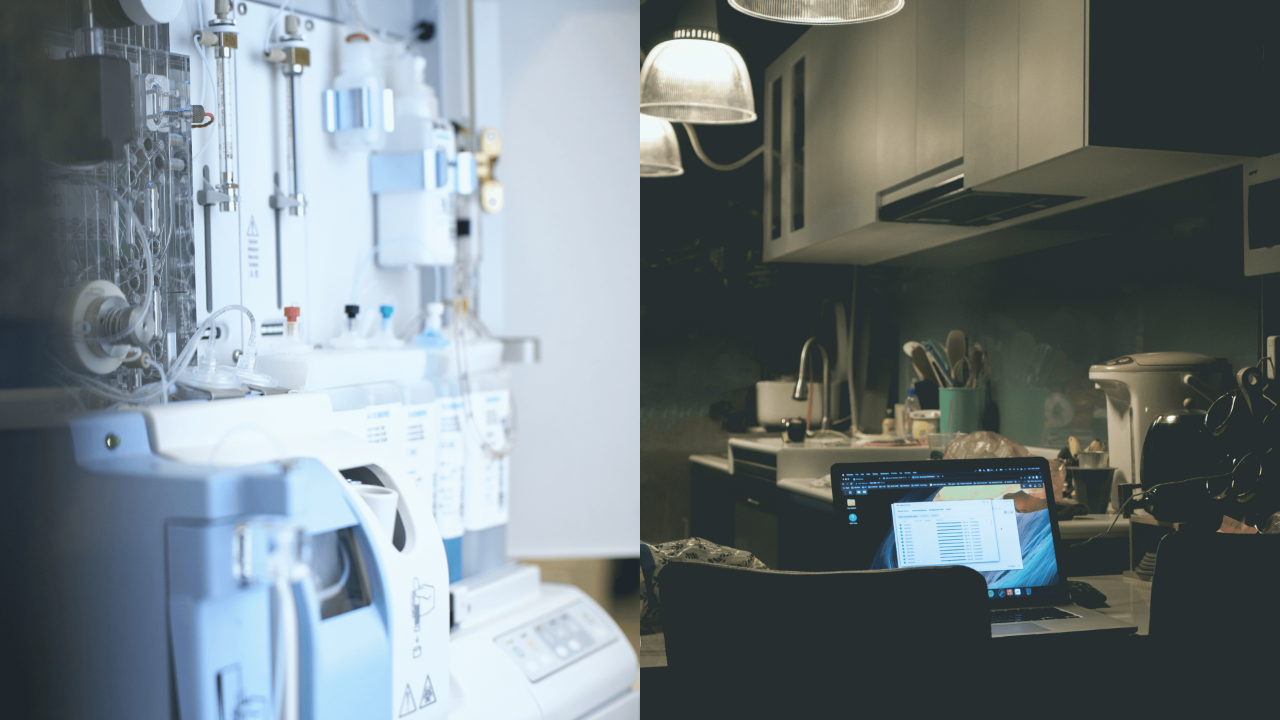
Anxiety is often talked about as though it were a fixed trait, "I'm just an anxious person", but it's more accurate to think of it as a state, triggered by specific situations rather than a permanent characteristic. Researcher Brené Brown explores this distinction in Atlas of the Heart, and in The Gifts of Imperfection, she offers a practical approach to actually preparing for it rather than simply hoping to avoid it.
Awareness Before Reaction
The starting point is noticing what anxious thoughts or physical sensations actually show up, and where. Rather than resisting or fighting the anxious state once it appears, acknowledging it directly creates room for an actual, deliberate decision about what to do next, rather than a purely automatic reaction.
Brown recommends cultivating two specific capacities: calmness and stillness.
Calmness: A Skill Physicians Already Have at Work
Calmness means practicing the ability to remain steady when anxiety gets triggered, staying aware of the actual situation, having an actual plan, and executing it deliberately: a few deep breaths, a few clarifying questions, then a considered next step.
Here's the interesting part: physicians already do this constantly, and skillfully, at work. A busy shift rarely goes according to plan A, a sicker-than-expected patient arrives, a call comes in that a patient isn't recovering as hoped, a planned procedure isn't feasible after all. These "unexpected" events are actually a routine, near-constant feature of practicing medicine, and physicians are generally excellent at pivoting through them: moving to plan B, C, or D as needed, staying several steps ahead, treating disruption as an expected part of the job rather than a crisis.
Why That Same Skill Disappears at Home
Curiously, this same well-practiced adaptability often evaporates entirely outside of work. A phone call from a child, before it's even answered, can trigger immediate panic. A teenager heading out on a road trip can send the mind straight to a full catastrophic scenario, a pattern often called catastrophizing, imagining the worst possible outcome as though it were the likely one.
The difference often comes down to intentional practice. At work, calmness under unexpected pressure has been deliberately built and reinforced through repeated exposure and conscious practice. At home, that same deliberate practice usually hasn't happened, leaving the primitive, threat-oriented part of the brain to take over by default the moment something unexpected arises.
Building the Same Skill at Home
The same tools that work clinically can be deliberately applied at home: noticing an anxious trigger (a child's name appearing on a ringing phone, for instance), taking a breath before reacting, and consciously preparing to receive whatever information actually comes next, rather than assuming the worst before any actual information is available. Asking clarifying questions, the same way a clinical situation would be approached, helps ground the response in actual facts rather than imagined catastrophe.
Cultivating Stillness
Stillness refers to setting aside genuine time to check in with your own mindset, not packing every day, night, and weekend so completely full that there's no space left to regroup or mentally prepare for what's ahead. The prefrontal cortex, the part of the brain responsible for planning and keeping more primitive, reactive impulses in check, needs some actual space to function. Deliberately setting aside time, even briefly, at the start of a week or a day, to consider how anxiety and stress will be handled, supports a considerably more grounded, centered starting point.
The Bottom Line
The adaptability physicians demonstrate constantly and skillfully at work doesn't automatically transfer to personal life, it requires the same kind of deliberate practice in that context too. Building genuine anxiety awareness, practicing calmness under unexpected pressure, and protecting real time for stillness are all transferable skills, worth applying as intentionally at home as they already are applied at work.
FAQ
Is anxiety a fixed personality trait or something more situational? It's more accurately understood as a state triggered by specific situations, rather than a fixed, permanent trait, meaning it's genuinely responsive to awareness and deliberate practice, rather than something entirely outside of influence.
Why can physicians handle unexpected disruptions calmly at work but panic over similar unpredictability at home? The calm, adaptive response at work has been built through extensive, deliberate practice and repeated exposure. That same intentional practice usually hasn't been applied to personal life, leaving a more automatic, reactive response to take over by default.
What is "catastrophizing," and how can it be interrupted? Catastrophizing is the tendency to imagine the worst possible outcome as though it were the likely one. Pausing to breathe and gather actual information before reacting, rather than assuming the worst immediately, helps interrupt this pattern.
What does "cultivating stillness" actually involve in practice? It involves deliberately protecting some unscheduled time, even briefly, at the start of a day or week, to mentally regroup and prepare, rather than filling every available moment with obligations and leaving no space for the prefrontal cortex to function effectively.