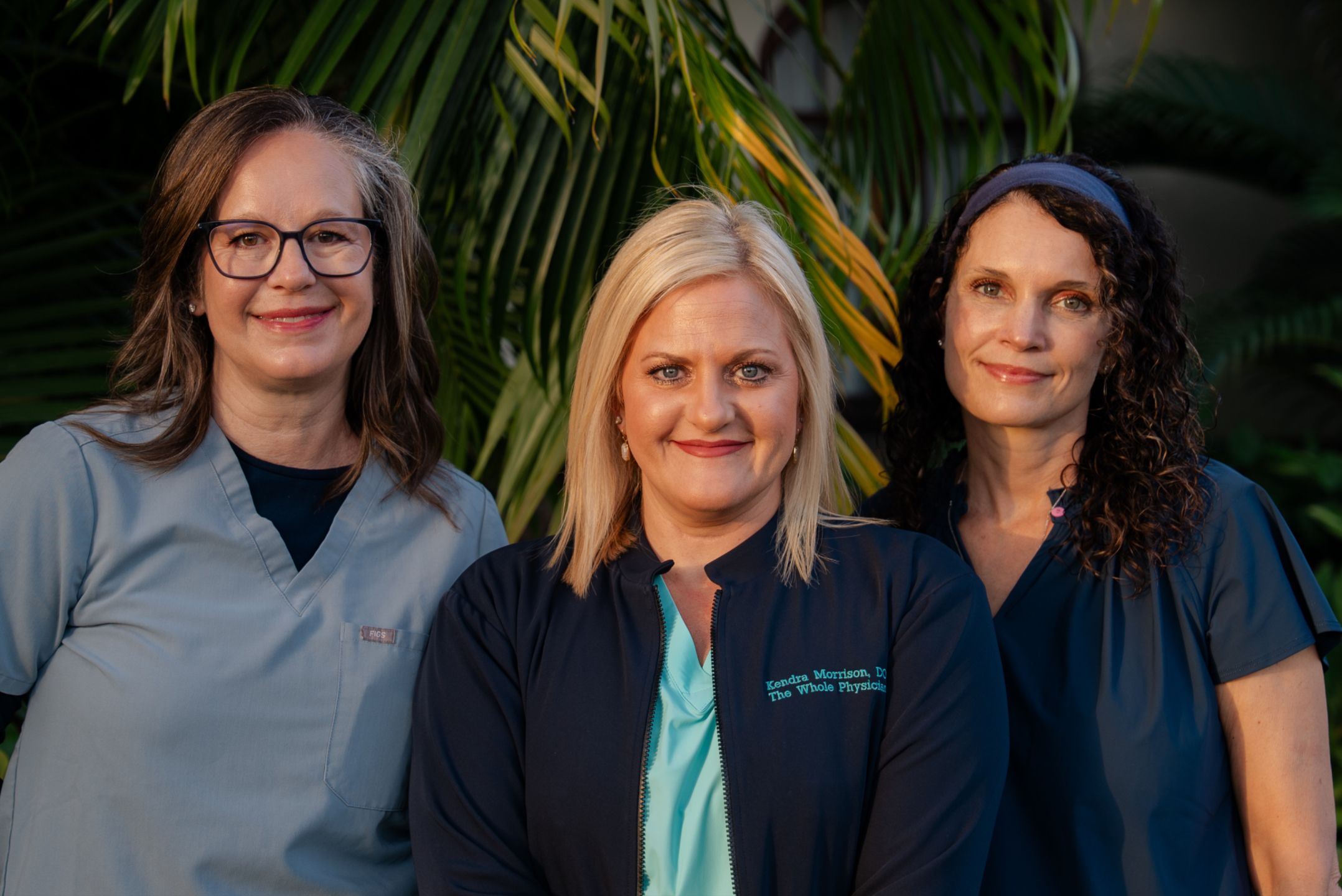
Why Healthcare Philanthropy Should Fund Staff Wellness
Oct 19, 2024
Charitable giving in healthcare overwhelmingly targets operational needs, equipment, supplies, facility improvements. All genuinely important. What's far less common is philanthropic funding directed specifically at the wellbeing of the people actually providing the care.
The Overlooked Recipient
Healthcare workers carry a substantial, often invisible burden, showing up day after day to care for others, frequently with little remaining time or energy left for their own wellbeing. That reality tends to be treated as simply an unavoidable feature of the work, rather than something philanthropic resources might directly address.
One real example: a 2023 donation made specifically to a children's clinic came with a deliberate stipulation, the funds had to be used for staff wellness and development, not general operations. The clinic itself retained full discretion over the specific application: wellness programming, team-building, mental health support, or whatever the staff genuinely needed most. The underlying logic was straightforward, caring directly for the people providing care ultimately extends outward to the patients and communities they serve.
Why This Approach Matters
There's a compelling, if underused, argument for this kind of targeted giving: healthcare worker wellbeing and patient outcomes aren't actually separate concerns. A burned-out, depleted staff has less genuine capacity to provide excellent care, regardless of how well-equipped or well-funded the surrounding operation is. Investing directly in the people, rather than only in the infrastructure around them, addresses a root contributor to care quality that's frequently overlooked entirely.
A Model Worth Replicating
Directing donations specifically toward staff wellness, with genuine flexibility for the recipient organization to determine the actual application, offers a concrete, replicable model for other donors and organizations considering how to make the most meaningful impact with charitable healthcare giving. Rather than assuming equipment and supplies represent the full picture of institutional need, this approach recognizes that a healthcare organization's capacity to deliver excellent care is inseparable from the wellbeing of the people actually delivering it.
The Bottom Line
Caring for healthcare workers isn't a departure from caring for patients, it's a direct, evidence-supported path toward it. Philanthropic giving that specifically targets staff wellness, alongside more traditional operational support, represents a genuinely underused lever for improving healthcare quality at its source.
FAQ
Why don't more healthcare donations target staff wellness specifically? Donations traditionally focus on more visible, tangible needs, equipment, facilities, supplies, while staff wellbeing, though equally significant, is less commonly recognized as a direct target for philanthropic investment.
How does healthcare worker wellbeing actually affect patient care? Burned-out, depleted healthcare workers generally have reduced capacity for the kind of sustained attention, empathy, and clinical performance that quality patient care requires, regardless of how well-resourced the surrounding facility or equipment may be.
What does giving recipient organizations flexibility in staff wellness funding accomplish? Allowing the recipient organization to determine the specific application of funds, whether wellness programming, mental health support, or team-building, ensures resources are directed toward what staff genuinely need, rather than a generic, externally imposed solution.
Is staff-wellness-focused philanthropy a replicable model for other organizations? Yes, the underlying principle (that healthcare quality depends on the wellbeing of the people providing it) applies broadly, making this a genuinely scalable approach for donors and organizations across the healthcare philanthropy space.