The Pet Reframe: A Trick for Loving Imperfect Things
Jan 24, 2026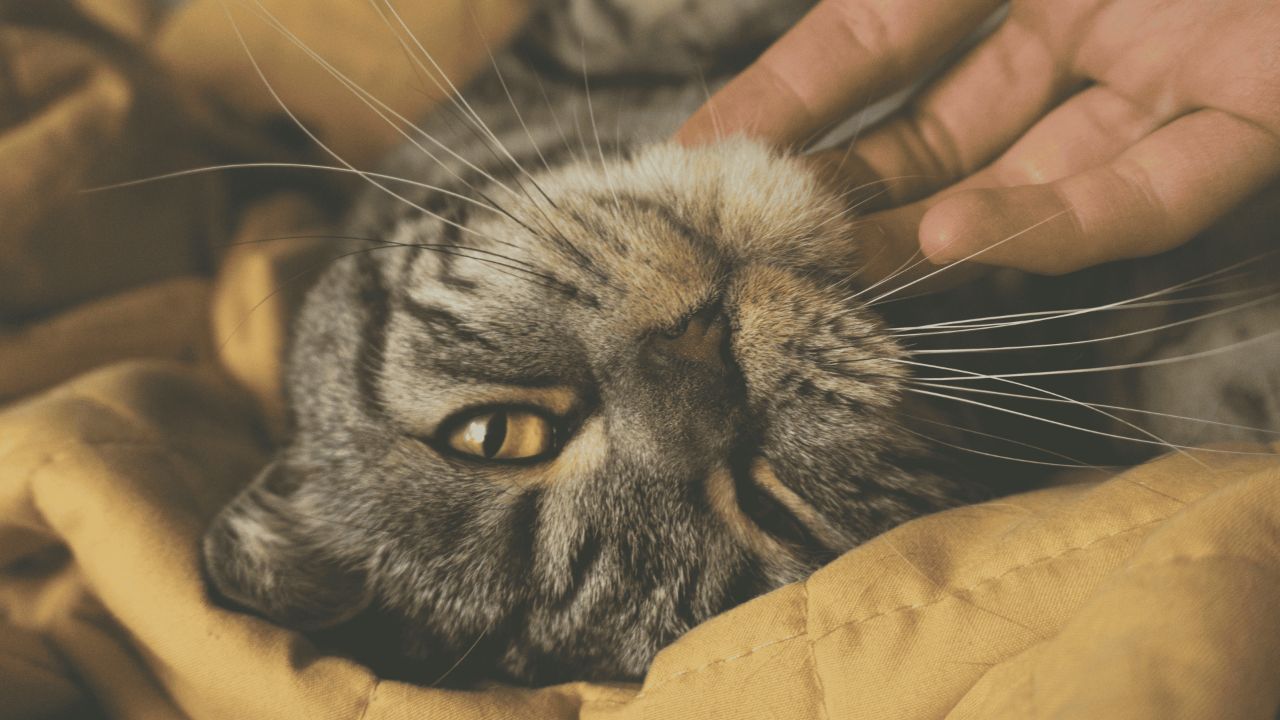
One physician coach describes a genuinely funny contradiction: being allergic to cats, and still adopting two of them within the same summer. Itchy eyes, real ongoing expense, disrupted routines, and complete, unwavering affection anyway.
Why the Contradiction Actually Makes Sense
The affection isn't really about the cats themselves, it's about the specific thoughts generated about them: I'm lucky to have been chosen. Look how genuinely cute they are. They didn't deserve to be abandoned. Of course they're getting into everything, they're cats. Those thoughts produce patience, warmth, humor, and genuine joy. Not because the situation itself is objectively easy, but because of how it's being interpreted.
Where the Same Curiosity Often Disappears
Contrast that with how a partner, a job, a call schedule, or medicine itself often gets evaluated. Instead of the same curiosity and generosity extended so easily to a pet, comparison and judgment tend to take over instead: this shouldn't be this hard. They should know better. I shouldn't still feel this way. This isn't how it's supposed to be.
An important distinction first: some situations really are genuinely toxic or untenable, and leaving is the correct answer, full stop, that's a separate conversation entirely, not something to reframe away. But often, the actual situation isn't dangerous, and there's no genuine desire to leave, there's simply a wish for it to be different than it currently is. That gap between reality and an idealized version of how things "should" be is frequently the actual source of dissatisfaction, more than the circumstance itself.
A Practical Exercise
For a relationship or situation genuinely worth making work, rather than escaping, try this: pick one specific source of frustration and ask directly, if this were my pet, what story would I be telling myself instead?
With pets, the instinctive narrative tends to be: of course they're imperfect. They're doing their best. This is simply part of the arrangement. And somehow, I still love them anyway.
This isn't about denying genuine issues or gaslighting yourself into pretending something difficult isn't difficult. It's experimenting with deliberately choosing thoughts that generate warmth rather than resentment, the same thought pattern already extended effortlessly toward an imperfect pet. Real boundaries still remain fully intact throughout this process; the shift is specifically in the internal narrative, not in accepting behavior that genuinely needs to change.
Why Arguing With Reality Doesn't Work
Spending significant time thinking about how something "shouldn't" be a certain way, a cat's allergens, a colleague's flaws, a schedule's demands, is, in a very real sense, arguing with reality. And reality remains undefeated in that argument every time. The same energy spent resisting what already is could instead go toward genuinely accepting it and choosing a more generous interpretation.
The Bottom Line
The same warmth, patience, and generous interpretation so easily extended to an imperfect pet can be deliberately applied to frustrating people and situations elsewhere in life. This doesn't excuse genuinely harmful behavior or replace real boundaries, it simply offers a genuinely useful, already-familiar thought pattern worth extending more broadly than it currently gets applied.
FAQ
Why do people extend so much patience to pets but not to frustrating people or situations? Pets are rarely held to an idealized standard of how they "should" behave, imperfections are simply expected and accepted as part of the relationship. The same generosity is often withheld from people or situations judged against an unrealistic ideal instead.
Does this reframe mean tolerating genuinely harmful or toxic situations? No, some situations are genuinely untenable, and leaving remains the correct response in those cases. This reframe applies specifically to situations that aren't dangerous but simply frustrating, where a more generous interpretation is possible without excusing genuinely harmful behavior.
How can someone apply the "pet reframe" to a real source of frustration? Asking directly what story would be told if the frustrating person or situation were a beloved pet, "they're doing their best," "this is part of the deal", helps surface a more generous, less resentment-driven interpretation of the same circumstances.
Does choosing a more generous interpretation mean giving up boundaries? No, boundaries and generous interpretation can coexist. The shift is in the internal narrative and emotional experience, not in tolerating behavior that genuinely requires a boundary or a change.