The Habit Loop: How to Build Habits That Actually Stick
Jan 02, 2025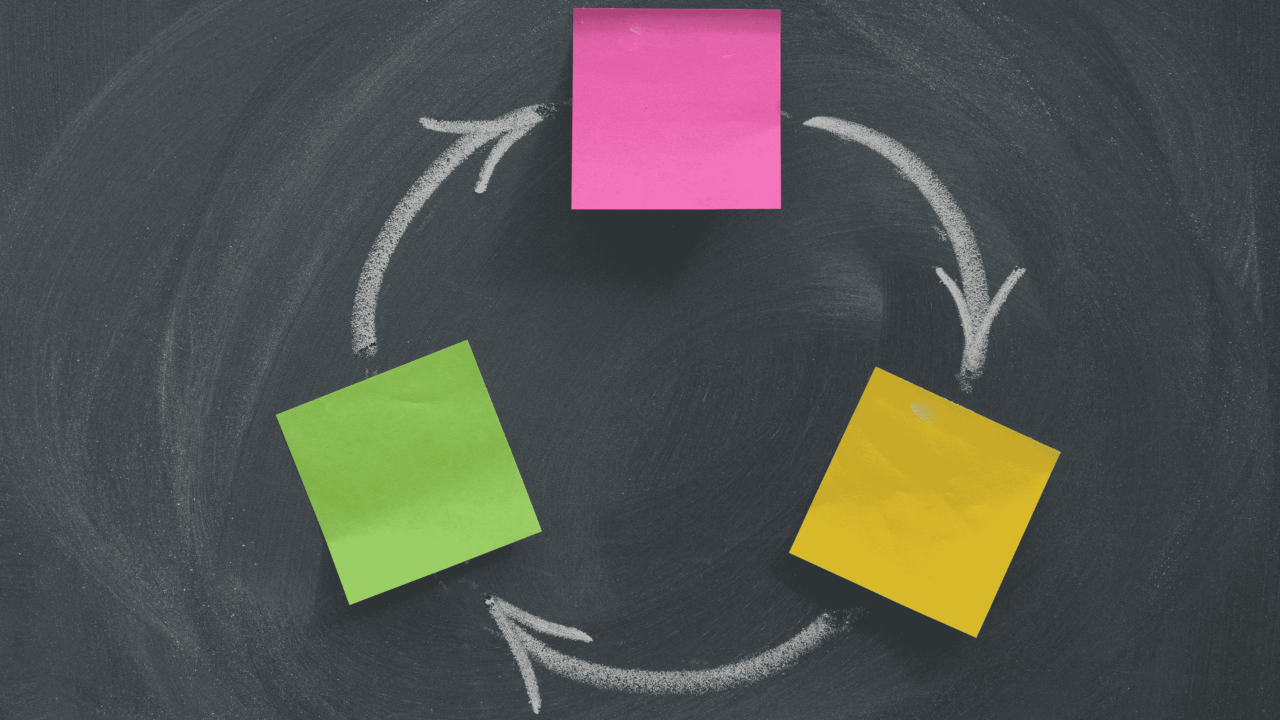
The start of a new year often brings renewed motivation to build healthier habits, worth pursuing, as long as it comes from genuine self-investment rather than comparison or a sense of lacking something essential. Two influential books, Tiny Habits by BJ Fogg and Atomic Habits by James Clear, offer research-backed, practical frameworks for making new habits genuinely stick, rather than fading out by the usual point most resolutions do.
Start Small and Build Momentum
BJ Fogg's core insight in Tiny Habits is starting with actions so small they feel essentially effortless, a single push-up rather than a full workout, for instance. James Clear's Atomic Habits echoes this from a different angle, emphasizing systems over goals: rather than aiming to "lose ten pounds," building a system of habits like meal preparation or a daily scheduled walk.
The Habit Loop: Cue, Routine, Reward
Both authors describe a foundational structure behind every habit, the habit loop:
Cue. A specific trigger that initiates the behavior. Finishing a patient note, for example, could serve as a cue for a brief mindfulness practice.
Routine. The actual behavior being built, a deep breath, a moment of gratitude, whatever the target habit is.
Reward. The positive outcome that reinforces the behavior and makes it more likely to repeat, feeling calmer, more focused, genuinely better.
A particularly effective technique is "anchoring", deliberately linking a new habit to an already-established one. For example, pairing hand-washing with naming one thing currently felt grateful for turns an existing routine into a built-in cue for the new habit.
Identity and Environment Both Matter
Clear emphasizes aligning new habits with identity, rather than treating them as a temporary project. The shift from "I'm trying to exercise" to "I am someone who prioritizes fitness" reflects a meaningful difference, the second framing treats the behavior as part of who someone is, which tends to produce more durable follow-through than a goal treated as separate from identity.
Both authors also emphasize designing the surrounding environment to support the desired behavior. Making a good habit easier, keeping a water bottle visibly on a desk to encourage hydration, and making an undesirable habit harder, keeping a phone out of easy reach to reduce distraction, reduces reliance on willpower alone.
Celebrate Small Wins
Genuinely acknowledging even small successes, a quick internal "well done," a small celebration, reinforces the behavior and supports continued motivation. This step is easy to skip, but it meaningfully strengthens the habit loop over time.
Getting Started
A few concrete first steps: pick one genuinely tiny habit to begin this week, keeping it small enough to feel easy. Pair it deliberately with an already-existing routine. Celebrate every success, regardless of how small it seems.
The Bottom Line
Building habits that actually last isn't primarily about willpower or motivation, it's about designing small, well-anchored routines within a supportive environment, reinforced by genuine acknowledgment of progress. Starting small, understanding the cue-routine-reward loop, and aligning new habits with identity offer a genuinely research-backed path toward change that actually sticks.
FAQ
Why do small habits tend to stick better than large, ambitious ones? Small habits require minimal willpower to initiate, making them far more sustainable during low-motivation periods. Once established, they create momentum that makes scaling up considerably easier than starting with an ambitious, harder-to-maintain version.
What is the "habit loop"? It's a three-part structure, cue, routine, reward, that underlies every habit. A specific trigger (cue) initiates a behavior (routine), which produces a positive outcome (reward) that reinforces the likelihood of repeating it.
What does "anchoring" a habit mean? It means deliberately linking a new habit to an already-established routine, using the existing routine as a built-in cue for the new behavior, for example, pairing a gratitude practice with an existing habit like hand-washing.
How does environment design support habit formation? Making a desired behavior more convenient (keeping a water bottle visible) and an undesired behavior less convenient (keeping a phone out of reach) reduces reliance on willpower alone, supporting more consistent follow-through.