When Your Family Gets What's Left Over After Work
Sep 13, 2026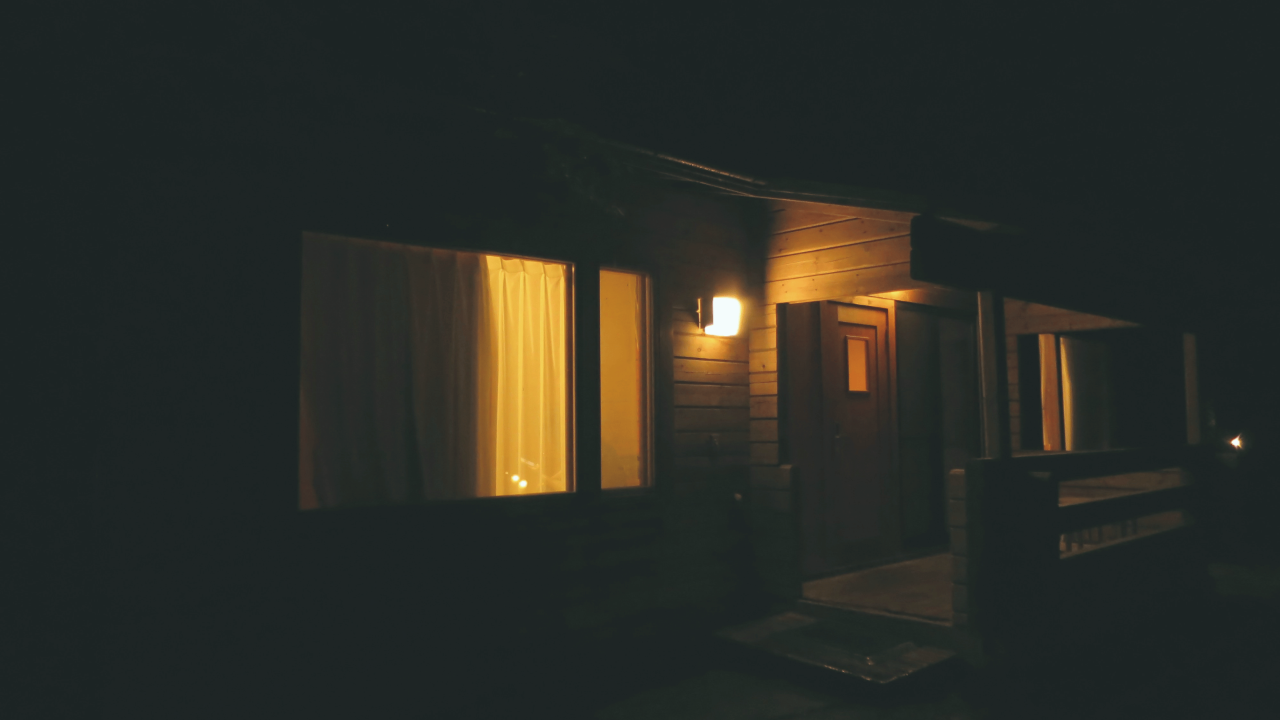
A physician pulls into the driveway at 7:42 p.m. and sits there for five minutes before going inside. Not because something was forgotten, and not because a call needed finishing. She sits there because there's nothing left, and she needs those five minutes to figure out how to find something.
Inside, her eight-year-old wants to show her a drawing. Her spouse wants to know whether she's eaten. Even the dog wants something. After ten hours of being patient with strangers, calm during a code, and kind to a family who shouted at her in the hallway, she walks through her own front door with nothing left for the people she loves most.
She smiles at the drawing and says, "It's great, honey," without really looking. She eats standing at the counter. She's in bed by 9:30, having barely said anything.
If this sounds familiar, it doesn't mean anything is broken. It means training worked exactly as designed.
What's Actually Going On
Medicine trains physicians to give until nothing is left, and then to find a way to give more. It teaches that running on fumes is dedication, and that the exhausted doctor who stays late and skips lunch is the committed one, the one who cares.
What rarely gets said is that the same pattern, applied to family, isn't devotion. It's depletion. And depletion doesn't stay contained at work. It follows physicians home, sits down at the dinner table, and can quietly leave the people who love them most feeling like they get whatever remains after everyone else has been served first.
This is one of the quieter contributors to burnout that rarely makes it onto the slide deck. It isn't only about hours, charting, or call schedules. It's about giving everything to patients all day and having nothing left for the people who matter most. The gap between the person at work and the person who shows up at home is exhausting in ways that are hard to put into words.
Exhaustion Is Not Excellence
Being the most tired, most depleted, most giving physician in the room doesn't make someone a good physician. It makes them a physician running low on runway. Somewhere along the way, exhaustion got confused with excellence. They aren't the same thing, and it's allowed to stop treating them as if they are.
Three Things That Can Help
No four-day retreat is needed. What helps is honesty, first with yourself and then with the people waiting at home.
Tell the truth about your state. "I have nothing left for conversation right now, but I want to sit next to you" is a complete, connected sentence. It's far more honest than the performance of "fine," and it costs nothing.
Build a real transition. Five minutes in the car, in the driveway, or in the shower before engaging. The nervous system doesn't move from a code blue to bedtime stories instantly, and pretending otherwise is often why someone snaps or goes quiet.
Trade duration for presence. Ninety seconds of genuinely being there is worth more than ninety minutes of being physically present and mentally elsewhere. More time isn't required, just real attention for the time that exists.
The Bottom Line
Arriving home with nothing left isn't a failure of love or character. It's what happens when the best hours are given away all day. Naming the state honestly, building even a brief transition, and offering real presence in small doses can help a physician stay connected to family while still being tired.
FAQ
Why do physicians often have nothing left for their families at the end of the day? Long stretches of emotional regulation, patience, and high-stakes decision-making can deplete reserves by the time work ends. The same patterns that make someone excellent at work can leave little energy for home.
Is this a sign I don't care enough about my family? No. It typically reflects depletion, not lack of care. Many physicians feel deeply guilty about it precisely because they care so much.
What can I say when I'm too tired to engage? Being honest helps. A statement like "I have nothing left for conversation right now, but I want to sit next to you" communicates connection without requiring energy you don't have.
How can a transition between work and home help? A short buffer, such as a few minutes in the car or a shower, gives the nervous system time to shift from work mode to home mode, which can reduce snapping or withdrawing.
Does presence require a lot of time? No. Brief moments of genuine attention can matter more than long stretches of distracted presence, especially when time and energy are limited.