Are You Pouring From an Empty Cup? Stress and Perception
Feb 02, 2023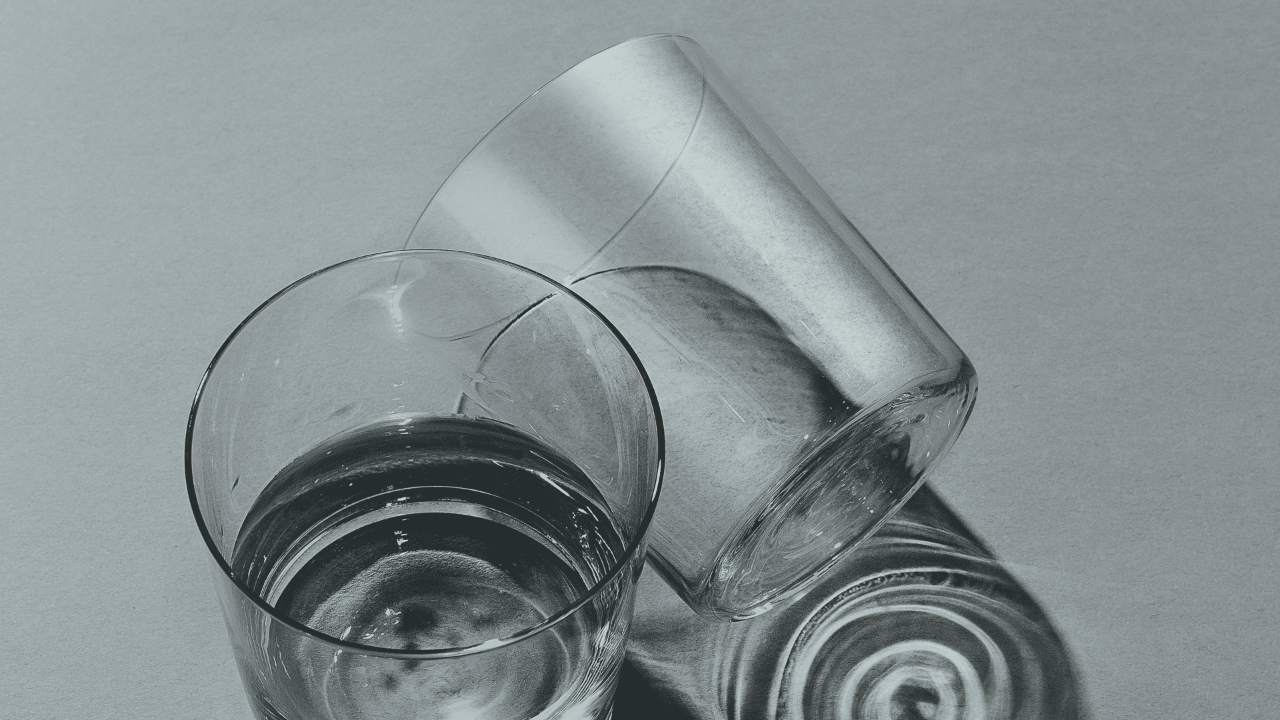
One of the strongest predictors of how stress actually affects a person isn't the stressor itself, it's how that stress gets perceived. Viewed as an opportunity to sharpen focus and improve performance, stress can genuinely work in someone's favor. The same physiological response, during something actively chosen and enjoyed, a hard workout, a challenging climb, often registers as exhilarating rather than threatening.
When Stress Becomes Distress
Most people, most of the time, don't get to choose their stress the way a rock climber chooses a climb. Resisted, unmanaged stress tends to produce a different outcome entirely. As one Psychology Today article puts it: "when severe, prolonged, and without a recovery period, stress can be harmful and detrimental to health. Unmanageable stress (called distress) is associated with many negative physical health and mental health outcomes, including anxiety, depression, high levels of stress hormones (cortisol, adrenaline), inflammation, poor immune response, metabolic dysregulation, obesity, chronic diseases (e.g., heart disease), and early mortality."
Left unchecked long enough, this produces the familiar sensation of constantly pouring from an empty cup, running on fumes, with nothing genuinely being replenished underneath the ongoing output.
Why the Usual Coping Mechanisms Don't Actually Refill Anything
Extended, unmanaged stress tends to push people toward whatever offers the fastest relief: emotional eating, compulsive shopping, alcohol, or other numbing behaviors. These provide a genuine, if brief, dopamine hit, but they don't actually address the underlying depletion. They're a temporary distraction laid over an empty cup, not something that fills it. Left unaddressed, this pattern tends to compound into more serious problems over time, on top of the original stress that was never actually resolved.
Actually Addressing Stress
Build awareness of your own stress patterns. Identifying specific triggers, what reliably sets off a stress response, turns a vague sense of being overwhelmed into something concrete enough to actually work with.
Examine how the stress is being interpreted. The same situation can register as a threat or as a challenge, depending on the framing applied to it. Actively examining that framing, rather than accepting the first interpretation automatically, opens up more options for how to respond.
Develop a genuinely flexible coping pattern. This works best from a foundation of actual physical and mental capacity, adequate sleep, nutritious food, and a consistent reflective practice like meditation or prayer all support the ability to respond flexibly rather than reactively when stress actually shows up.
The Underlying Approach
Much of this overlaps with principles found in cognitive behavioral approaches, techniques for identifying and reframing unhelpful thought patterns, and building more flexible responses to stressful situations rather than defaulting to the same automatic reaction every time. The goal isn't eliminating stress entirely, which isn't realistic in a demanding career. It's building the capacity to actually process it rather than letting it accumulate unaddressed behind a series of short-term numbing behaviors.
The Bottom Line
An empty cup doesn't get refilled by a quick, temporary distraction, it gets refilled by actually addressing what emptied it in the first place. That requires honest awareness of stress triggers, a willingness to examine and shift how stress gets interpreted, and consistent foundational habits that support flexible coping rather than automatic reaction.
FAQ
Why does perceiving stress differently actually change its effect on the body? Research suggests that framing stress as a challenge rather than a threat changes the physiological and psychological response to it, often resulting in better performance and less long-term harm from the same underlying stressor.
What's the difference between manageable stress and distress? Manageable stress typically includes a recovery period and doesn't persist indefinitely. Distress is prolonged, severe, and lacks adequate recovery, and it's associated with a range of negative physical and mental health outcomes over time.
Why don't common coping mechanisms like shopping or emotional eating actually help with stress? They provide a brief dopamine-driven sense of relief without addressing the underlying depletion causing the stress in the first place. Over time, they tend to add additional problems on top of the original, still-unresolved stress.
What's a practical first step toward managing stress more effectively? Identifying specific stress triggers is a useful starting point, it turns a vague sense of being overwhelmed into something concrete enough to examine and respond to deliberately, rather than reactively.