What Camping Can Teach You About Financial Wellness
Mar 02, 2023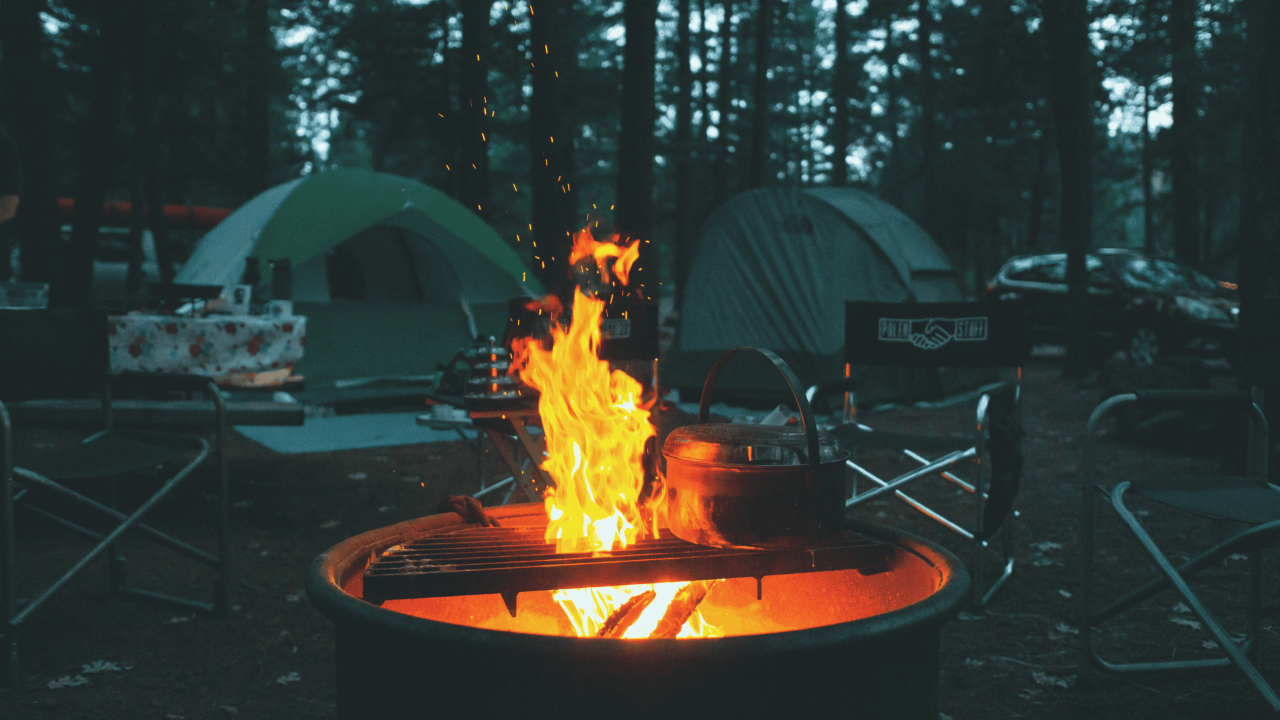
There's a certain irony in spending real money on gear specifically to go live, temporarily, with almost nothing. But that irony is exactly where camping's connection to financial wellness actually starts.
Sometimes "More" Isn't the Goal
A lot of the pursuit of wellness, more joy, more peace, more health, more financial security, is really, underneath it, a pursuit of less. Less clutter, less distraction, less of what doesn't actually matter competing for attention alongside what does.
Camping, or even a single day hike, tends to strip that distinction into sharp relief. Removing the usual conveniences and possessions for a day or two makes it much easier to notice what's actually essential versus what's simply been accumulated without much thought. Time in nature has also been linked to measurable benefits, including shifts in gut microbiome composition, increased mindfulness, and a stronger general sense of gratitude. Anyone who's spent a week backpacking can attest that a hot shower and clean clothes, taken entirely for granted most of the time, suddenly register as genuine luxuries.
The Financial Wellness Connection
Gratitude is a meaningful, underappreciated component of financial wellness. A genuinely grateful mindset reduces the pull toward spending on things that won't actually matter in the long run, there's less compulsion to fill an emotional gap with another online purchase when there's already a clear, felt sense of having enough. Genuine appreciation for what's already owned also tends to translate into better care of those possessions, which has its own practical financial value over time.
You Don't Need to Get Rid of Everything
None of this requires giving away every possession to make the point. Temporarily setting things aside, leaving the usual comforts behind for a night, a weekend, even just an afternoon, ideally with people who matter, tends to be enough to reset the baseline sense of what's actually necessary. Returning from that kind of reset often comes with a clearer, more grounded relationship to both spending and possessions than existed before it.
The Bottom Line
Financial wellness isn't only about growing income or building savings, it's also about the underlying relationship with wanting and having. Time away from the usual conveniences, even briefly, tends to sharpen that relationship in a way that's hard to replicate through any amount of deliberate budgeting alone.
FAQ
How does spending time in nature actually connect to financial wellness? Time away from usual conveniences tends to increase gratitude and mindfulness, both of which reduce the pull toward unnecessary spending, particularly spending aimed at filling an emotional gap rather than meeting a genuine need.
Do I need to go camping specifically to get this benefit? No, any deliberate break from usual conveniences and possessions, even a single day outdoors, tends to provide a similar reset in perspective on what's actually necessary versus simply accumulated.
Isn't it contradictory to spend money on gear in order to practice minimalism temporarily? There's some irony in it, but the point isn't permanent minimalism, it's a temporary reset that clarifies what's genuinely essential, which can inform ongoing spending habits well beyond the specific trip itself.
What's the connection between gratitude and reduced spending? A genuine sense of having enough reduces the emotional pull toward acquiring more, since much unnecessary spending is driven by trying to fill a sense of lack rather than meeting an actual need.