What Is "Buffering," and Why Do We Do It?
Dec 28, 2023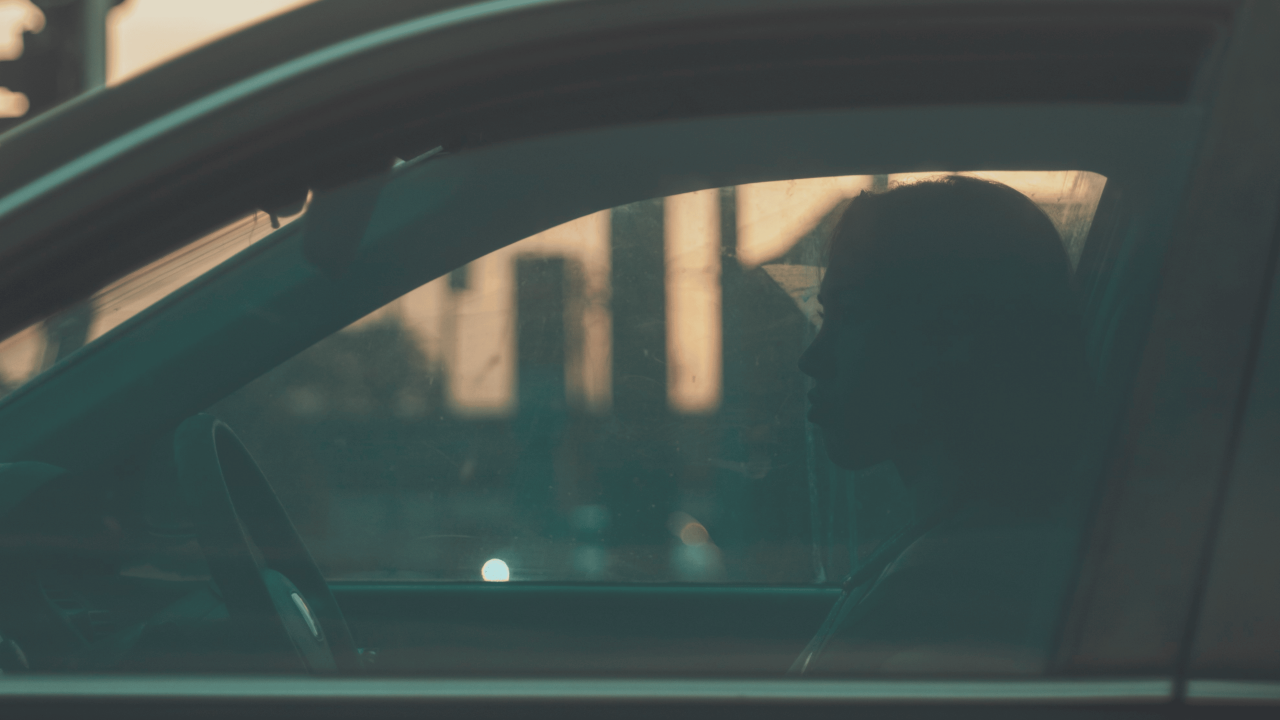
After a particularly rough shift, there's often an uncomfortable feeling that lingers well after clocking out, and a strong pull to avoid, distract from, or resist that discomfort with almost anything else available. This pattern has a name: buffering.
Buffering Isn't Inherently a Problem
Buffering itself isn't automatically unhealthy. The concern arises specifically when the buffering behavior produces a genuine net negative in someone's life, when the coping mechanism itself starts costing more than the discomfort it was meant to numb.
What This Actually Looks Like
A few real examples, drawn from physician coaches describing their own patterns honestly: one coach recalls stopping at a fast food drive-through on the way home from an especially difficult shift, then spending hours watching reality TV specifically to avoid feeling what the shift had stirred up. Another describes coming home and numbing out through a combination of binge-watching television and eating through her kids' leftover Halloween candy. A third describes a different pattern entirely, pulling into the garage after a hard shift and simply sitting there, sometimes for an hour or two, unable to find the emotional capacity to walk through the door and be present for family. Avoidance, in that specific case, became a kind of superpower, waiting in silence until the house was quiet enough to enter without having anything left to give.
That last example points to something important: avoidance doesn't actually make the underlying feeling disappear. It's closer to holding an inflated beach ball underwater, the pressure doesn't go away, and at some point, it surfaces anyway, often with more force than if it had simply been allowed to surface earlier.
Why Rational People Still Do This
None of this happens because of a lack of intelligence or critical thinking, physicians are, by nearly any measure, highly capable, rational people. The issue isn't a lack of reasoning ability; it's that the brain's underlying motivational wiring operates somewhat independently of rational thought. A deeply ingrained motivational system, oriented around seeking pleasure, conserving energy, and avoiding pain, continues generating strong urges regardless of how sophisticated conscious reasoning has become.
This wiring made complete sense in a much more primitive survival context. It doesn't automatically know how to scale down for a modern life where genuine survival usually isn't the actual stake in a hard moment.
Noticing the Internal Narrative
A useful starting point is simply noticing the specific thoughts that show up to justify a buffering behavior: "That was a brutal shift, I deserve a stop at the drive-through on the way home." "I've worked three shifts in a row, I need a bottle of wine to unwind." These thoughts feel reasonable in the moment, but they're often functioning as permission-granting narratives for a pattern that isn't actually addressing the underlying discomfort, just delaying and, over time, often intensifying it.
Why the Reward Diminishes Over Time
Artificial, engineered pleasures provide a real but temporary dopamine response. Repeated reliance on the same coping mechanism tends to produce diminishing returns, the same behavior delivers less relief over time, creating pressure toward more frequent or more intense versions of the same pattern. Short-term pleasure and long-term happiness aren't the same thing, and dopamine functions more as a signal for wanting more, rather than a signal of genuine satisfaction.
A Different Approach
Rather than immediately reaching for a buffering behavior, there's real value in allowing an uncomfortable feeling to simply be present for a short window before deciding how to respond, noticing what the body might actually need, rather than automatically defaulting to whatever coping mechanism is most familiar. From there, intentional decision-making becomes possible: choosing a response deliberately, rather than reacting automatically.
If, after that pause, the actual choice is still to engage in the original coping behavior, that's a legitimate choice too, and it's worth genuinely enjoying rather than layering shame on top of it. Self-compassion, practiced consistently, tends to build genuine confidence over time, which in turn makes it progressively easier to choose in the direction actually wanted, rather than the direction reached for automatically.
The Bottom Line
Buffering, numbing out after a hard shift through food, television, alcohol, or avoidance, is a common, understandable response to genuine discomfort, not a sign of weak character. The goal isn't eliminating every coping mechanism entirely; it's building enough awareness and intentional pause to actually choose a response, rather than defaulting automatically to whatever's most familiar, and extending genuine compassion rather than judgment either way.
FAQ
What is "buffering" in this context? Buffering refers to using distraction, food, alcohol, or avoidance to numb an uncomfortable feeling after a difficult experience. It's not inherently harmful, but becomes a genuine problem when it produces a net negative effect on someone's overall life.
Why do intelligent, rational people still fall into unhealthy buffering patterns? The brain's underlying motivational wiring, oriented around seeking pleasure, conserving energy, and avoiding pain, operates somewhat independently of rational thought, generating strong urges regardless of conscious reasoning ability.
How can someone start interrupting an automatic buffering pattern? Allowing an uncomfortable feeling to be present for a short pause before automatically reaching for a coping behavior creates space for a more intentional decision, rather than an automatic reaction.
Is it wrong to occasionally use food, television, or other coping behaviors to unwind? Not inherently, the concern is specifically when the behavior produces an ongoing net negative effect on life or relationships. Occasional, intentional use of a coping behavior, chosen consciously rather than automatically, is a different pattern entirely.