Blue Zones Secrets for a Longer, Healthier Life
Sep 05, 2024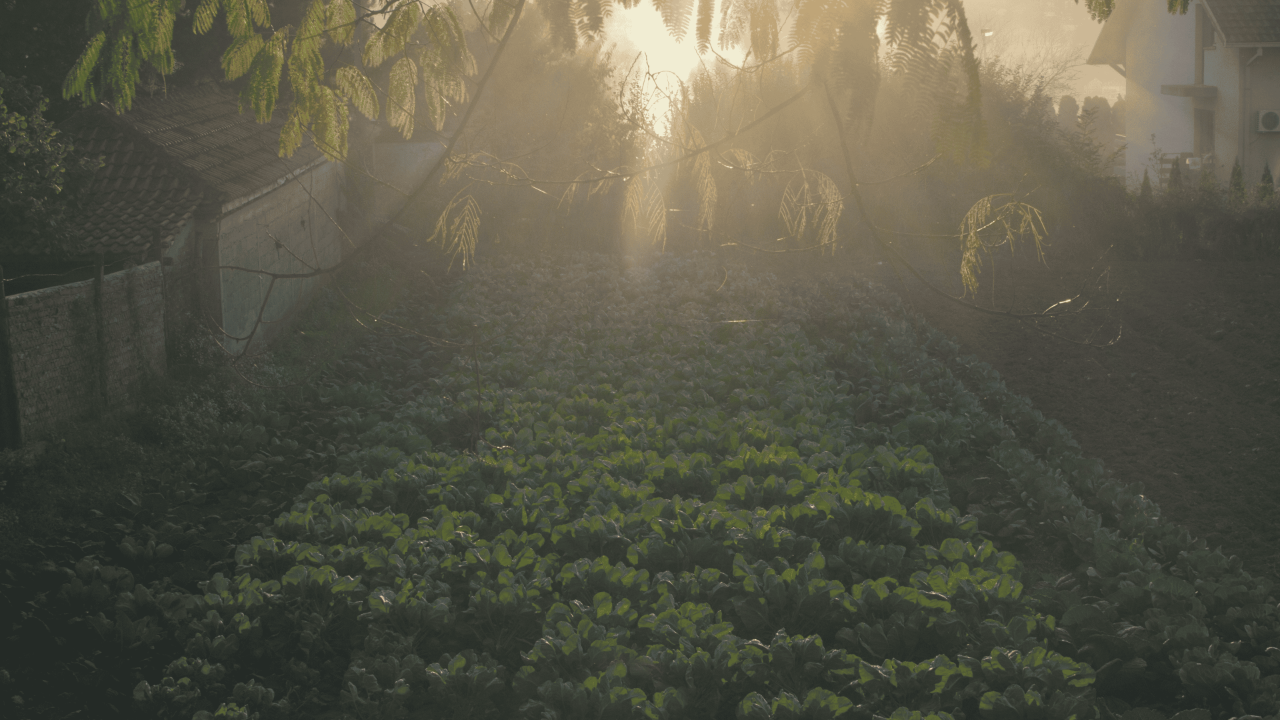
Blue Zones are regions around the world where people routinely live to 100 at significantly higher rates than in the United States, and notably, they tend to stay physically active and mentally sharp well into those later decades, rather than spending the final years in decline.
They're Not Trying, Their Environment Does the Work
People in Blue Zones generally aren't counting steps or tracking calories. They're not engaged in deliberate, effortful health optimization. Instead, the way they live and the environment surrounding them makes healthy choices the default, effortless option, sustained consistently over decades.
Much of this comes from necessity rather than intentional wellness culture: personal gardens grown out of practical need, streets designed around walking rather than driving. These aren't conveniences by modern standards, but they appear to work remarkably well for sustained, long-term health.
Applying This Without Giving Up Modern Convenience
Modern life offers genuine convenience, food and goods delivered directly to the door, entertainment instantly available. None of that needs to be abandoned entirely. But growing old well may require some intentional environmental design: setting up daily life to nudge good choices and make unhealthy ones slightly less convenient, effectively working with the same psychological principles that make Blue Zone living effortless.
Author Dan Buettner, in The Blue Zones: Secrets for Living Longer, outlines a number of practical strategies for exactly this kind of environmental design.
Setting Up the Home
Limit televisions to one per household. Reducing overall screen time, particularly since screen time is often paired with snacking and inactivity, supports healthier habits. Notably, some of the happiest populations studied watch only 30 to 60 minutes of television daily.
Maintain a garden. In Blue Zones, people often garden well into their 90s and 100s. Gardening requires ongoing physical activity, provides natural sun exposure, and produces genuinely healthy food as a byproduct.
Consider a dog. Pets provide companionship and a built-in incentive for regular movement, research suggests dog owners who walk their pets average over five hours of exercise weekly. Pets are also associated with reduced stress levels.
Add floor cushions. Getting up and down from the floor regularly, for reading, folding laundry, or other everyday tasks, adds meaningful incidental movement without requiring a dedicated workout.
Setting Up the Kitchen
A diet heavy in processed, packaged food tends to include substantial added sugar, often in places that seem unlikely, worth actually checking nutrition labels on staples like sauces and condiments.
Creating a genuinely pleasant kitchen environment, good natural or under-counter lighting, an uncluttered counter, makes cooking at home more appealing. One counterintuitive suggestion: smaller refrigerators and pantries. Limited storage space naturally forces more frequent shopping for fresh food, and simply leaves less room to stockpile large quantities of processed, shelf-stable snacks.
Small Hacks That Make Healthy Eating Easier
- Keep fruits and vegetables at eye level in the refrigerator, where they're the first thing seen.
- Store less nutritious snacks out of immediate sight, a high shelf, a drawer, a cabinet that isn't opened frequently.
- Keep a visible bowl of fresh fruit on the kitchen table or another prominent spot, while keeping packaged sweets and processed snacks out of plain view.
- Remove televisions, phones, and computers from kitchens and dining areas, supporting more mindful eating and better awareness of genuine satiety cues.
The Bottom Line
Longevity in Blue Zones doesn't appear to come from deliberate willpower or constant health tracking, it comes from an environment structured to make the healthy choice the easy, default one. Applying the same principle at home, through deliberate but relatively simple environmental adjustments, offers a genuinely practical path toward better long-term health without requiring constant conscious effort.
FAQ
What are "Blue Zones"? Blue Zones are specific regions around the world where residents live significantly longer, healthier lives than average, often remaining active and mentally sharp well into their 90s and 100s.
Do people in Blue Zones follow strict diet and exercise regimens? No, longevity in these regions appears to result from environmental and lifestyle factors that make healthy behaviors the natural default, rather than from deliberate tracking or intense willpower-driven effort.
How can smaller refrigerators or pantries actually support healthier eating? Limited storage space naturally requires more frequent fresh food shopping and leaves less room to stockpile large quantities of processed or unhealthy snacks, making healthier choices the practical default.
What's a simple first step toward applying Blue Zone principles at home? Rearranging visibility, keeping fresh produce prominently displayed and less healthy snacks out of immediate sight, is a low-effort, high-impact starting point supported by behavioral research.