Are You Making Your Life Happen, or Just Living It?
May 09, 2025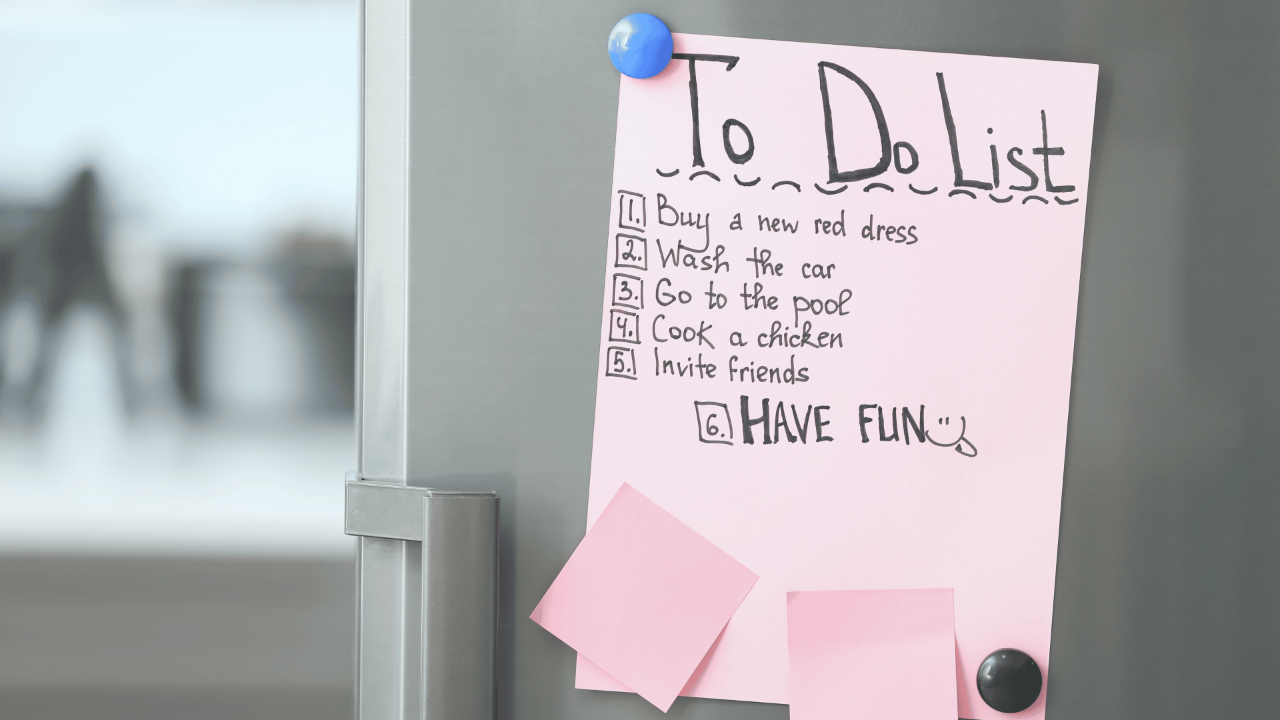
Arriving home after a commute with no real memory of the drive is a familiar, almost universal experience. There's a genuinely unsettling parallel worth sitting with: the same autopilot that takes over during a routine drive can take over an entire life, arriving at the end of it without remembering the ride, without making the impact actually wanted, without the time with loved ones or the experiences genuinely desired.
A Question Worth Sitting With
A useful, if uncomfortable, question: is life actively being made to happen, or is it simply happening by default? This question sits underneath a lot of the daily overwhelm, the late-night charting, the constant "just get through today" mode, and underneath all of that is a more fundamental one: what is actually wanted from this specific life, not someday, not after retirement, not once the inbox finally empties, but now.
Beyond the Bucket List Cliché
This isn't necessarily about dramatic, once-in-a-lifetime experiences, though those count too if genuinely desired. It's about something more immediate and personal: What experiences are actually wanted while there's still time to have them? What memories are worth deliberately making with the people who matter? What would genuinely feel nourishing if space were actually carved out for it?
For some, this has looked like finally planning a trip that's been indefinitely postponed for years. For others, it's meant setting aside just five minutes daily to actively build toward a life that feels genuinely wanted, meaningful work, real family time, a rhythm that doesn't feel like constant drowning.
Why This Doesn't Happen on Its Own
None of this materializes automatically. Left unclaimed, available time and attention get absorbed by whatever's easiest to default to, email, meetings, errands, the next task in line. Making space for what's actually wanted requires deliberate choice; otherwise, the world reliably fills the space with something else entirely.
A Practical Starting Point
A genuinely useful exercise: build a want-to list, not a productivity list. Not another set of obligations, but a collection of things genuinely looked forward to, however big or small. A quiet walk. Dinner with a friend who's been missed for too long. A nap in a hammock. A class purely for enjoyment. A short trip. A book read purely for pleasure.
For anyone feeling overwhelmed even by this idea, starting small works well: five minutes daily jotting down ideas, a few tentative dates penciled onto a calendar, permission to simply dream a little before committing to anything concrete.
The Bottom Line
Deliberately showing up for the life actually wanted, even through small, modest steps, tends to produce a life that starts showing up in return. The alternative, drifting through demanding stretches on autopilot, risks arriving at the end without the memories, connections, or experiences that would have made the ride genuinely worthwhile. That's a cost worth taking seriously, starting with something as simple as a list of what's actually wanted.
FAQ
Why does it feel so easy to go through demanding periods on "autopilot"? Constant obligation and busyness naturally crowd out deliberate reflection on what's genuinely wanted, making it easy to default into routine without conscious intention behind how time is actually spent.
What's the difference between a to-do list and a "want-to" list? A to-do list captures obligations and tasks that need to get done. A want-to list captures experiences and moments genuinely desired, meant to be pursued for their own value, not out of obligation.
How can someone start building more intentional time into an already overwhelming schedule? Starting small , even five minutes daily to jot down ideas or pencil in a tentative date, makes the process manageable without requiring a complete schedule overhaul from the outset.
Does this approach require big, dramatic life changes to be meaningful? No, small, consistently pursued experiences (a quiet walk, time with a friend, a class taken purely for enjoyment) can be just as meaningful as larger changes, and are often more immediately achievable.